Many of us have probably treated ourselves to a new outfit or a pair of shoes before a trip. Maybe it was a new pair of hiking boots and trousers for a trek, a rain poncho for a rainy destination, or a light outfit for the beach. There's nothing wrong with that, as long as we keep wearing those items after the trip or at least make use of them again on our next adventure.

Fast fashion is a way of producing and selling clothes where brands quickly and cheaply create new collections to keep up with the latest trends. The clothes are affordable and there's plenty of choice, but the quality is often lower.
But fast fashion has a much darker side. Workers in the fast fashion industry often face poor, and sometimes even dangerous, working conditions while earning very low wages. The manufacturing process also relies on chemicals that can be harmful to workers, consumers and the environment.

Social media and the desire for the perfect travel photo encourage people to buy new clothes for every destination they visit. Many buy cheap disposable fashion pieces that quickly become waste after a vacation. This mindset is summed up by the idea of: “I've already taken a photo in this and posted it, so I don't need it anymore”, which I find quite disturbing. Looking perfect in a beautiful outfit in the middle of the jungle might make for a great photo, but practicality is usually a different story.
One of the clearest signs of textile pollution can be seen in Chile's Atacama Desert. Near the city of Iquique, huge piles of discarded clothing and textiles continue to grow, much of it arriving from North America, Europe and Asia.
The scale of these dumping sites is so vast that they can even be spotted in satellite images. This gives a clear idea of just how widespread the problem has become. Satellite images have become powerful evidence of how mass clothing production and consumption affect the environment, often far from the places where those clothes were originally bought. Sadly, the textile waste dump in the Atacama Desert is not the only one.
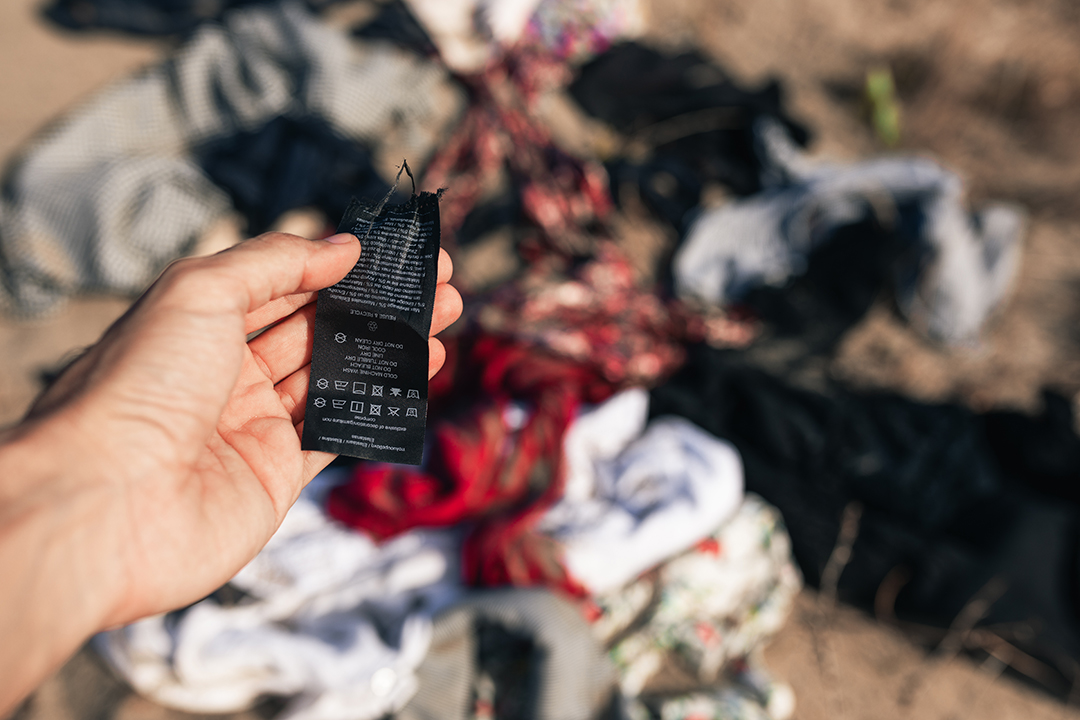
The textile industry is one of the world's biggest polluters. Most clothing is made from synthetic materials that take a very long time to break down. On top of that, textile waste can release microplastics and other harmful substances into the environment.
The opposite of fast fashion is sustainable fashion, which focuses on ethical production, quality, environmentally friendly materials and clothes that are made to last.
At some popular destinations, renting outfits for photoshoots has become a fairly common practice. It's mainly aimed at visitors who want eye catching photos for social media without having to buy a new outfit. It can also be a more sustainable alternative to buying clothes you'll only wear once, while providing an extra source of income for local businesses.

There's nothing wrong with treating yourself to a nice photo or a new outfit, but it's worth asking whether you'll wear it again in the future or if you already own something similar. If there's a more sustainable option available, consider renting the outfit or having a look in a second-hand shop. It's worth thinking about our shopping habits, not only when we travel but in our everyday lives as well. A visit to a second-hand shop can be a travel experience in itself. There are more and more places like this around the world, so before rushing out to buy a new outfit from a fast fashion brand, why not check out a second-hand shop, a clothing rental service or a sustainable fashion brand instead? By doing so, we not only reduce waste but also support more responsible consumption and local initiatives.

Copyright (©) 2010 - 2026 Youth Hostel | Our Privacy Policy | Cookies | | RPC