Zakynthos is one of Greece's most popular islands that attracts thousands of people every year. Visitors love the sandy beaches, crystal sea, picturesque villages, and vibrant nightlife. But beyond the postcard views and tourist attractions, there's another side to the island: its stray cats, dog shelters, and efforts to protect endangered sea turtles.
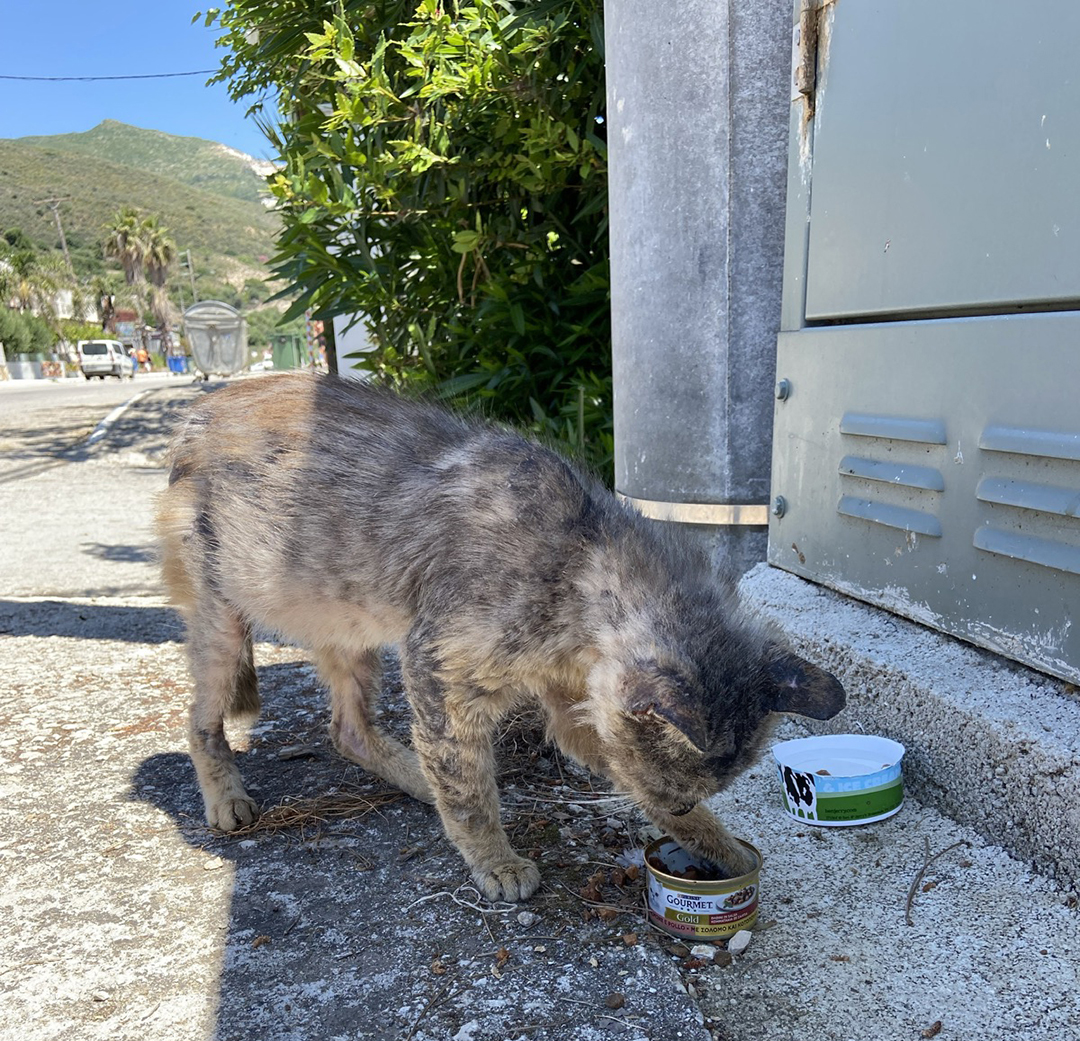
If you're planning a trip to Zakynthos, it's worth getting to know the animals that share the island with locals and visitors alike and have become an important part of its identity.
Like on many Greek islands, the streets of Zakynthos are home to large numbers of stray cats. Most live in small colonies, where locals and tourists regularly leave out food and water for them. The island's mild climate and their historical role in controlling rodent populations have both contributed to their large numbers.
One of the biggest challenges is their access to veterinary care. Injured or sick cats often go without help if nobody notices their condition or takes them to a vet. Without timely treatment, even a minor injury can quickly become life threatening.
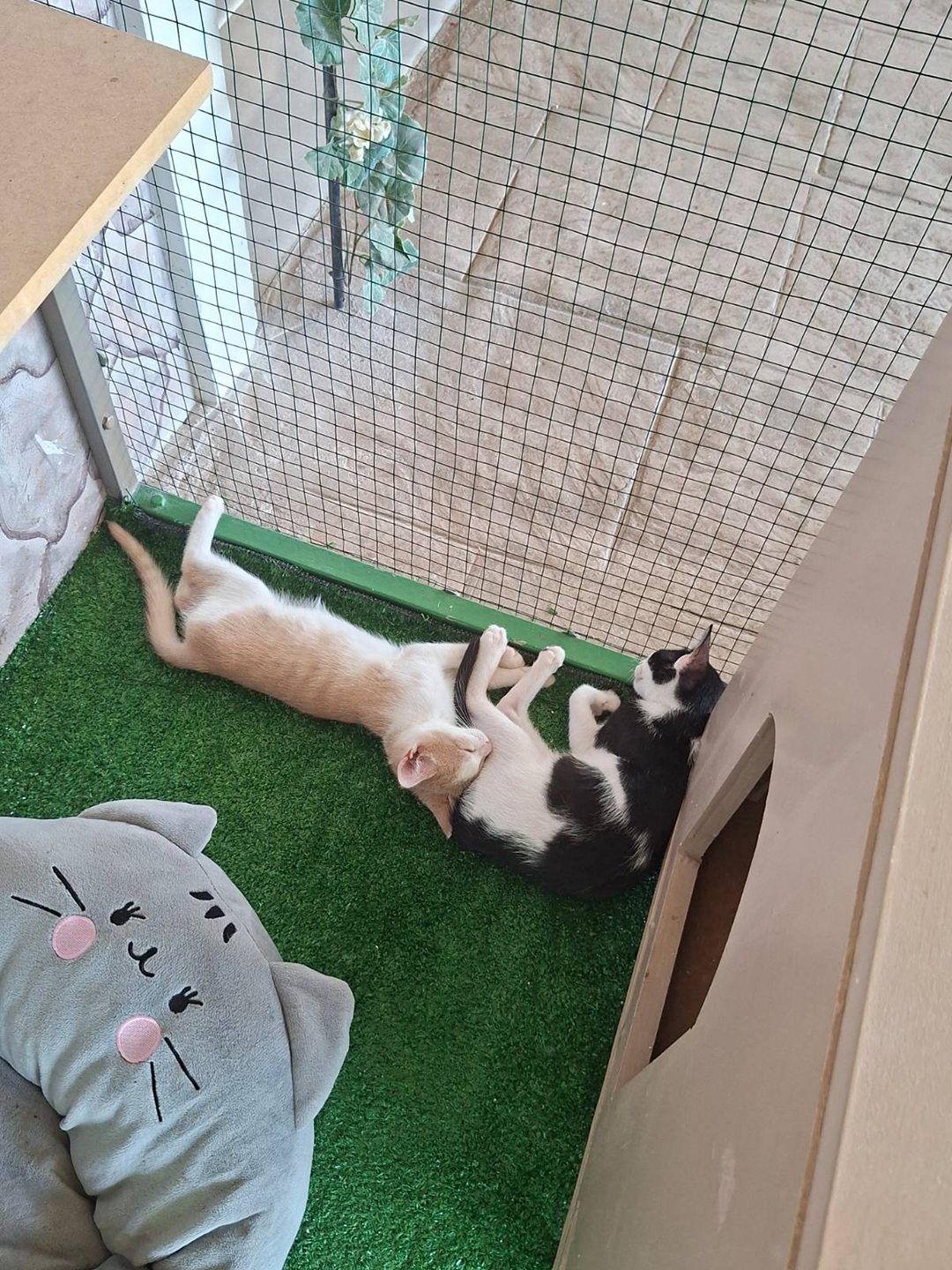
Most animal welfare organisations on the island don't take the traditional approach of housing cats in shelters. Because there are so many of them and they're used to living outdoors, the focus is mainly on feeding programmes, veterinary care, and spaying and neutering.
The Heart4Cats organisation focuses mainly on rescuing stray cats, providing veterinary care, and carrying out spaying and neutering programmes. They regularly share updates on rescued animals, volunteer opportunities and spay and neuter campaigns on their social media channels.
You can find out more about their work on their Facebook page.
Volunteers often say that their resources are limited, and they can't respond to every case immediately. So, if you come across an injured cat, the quickest and most effective thing you can often do is take it to a vet yourself. Waiting for volunteers to arrive can sometimes mean losing valuable time.
It's also worth knowing that abandoned animals in public spaces officially fall under the responsibility of the Municipality of Zakynthos. For that reason, it's worth reporting cases to the relevant authorities and the municipality, as a higher number of reports can help put pressure on those responsible to find long-term solutions.
In Kalamaki, on the south coast of the island, you'll find Cat Café Zepos Garden, the only cat café in Zakynthos. While there, visitors can enjoy food and drinks before heading into a separate area where they can spend time with the cats.
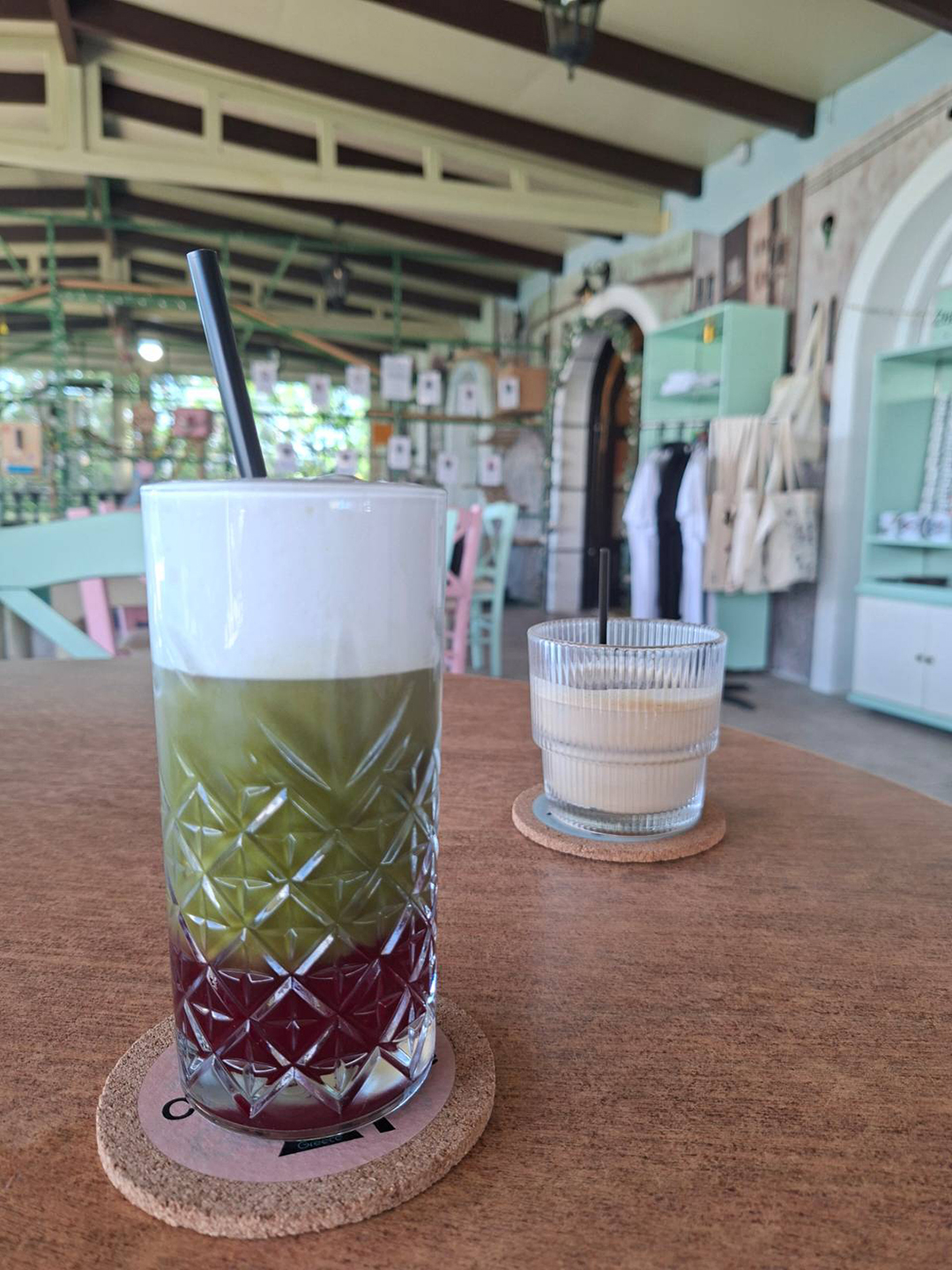
The café also occasionally hosts cat yoga sessions and other events. All the cats are available for adoption, and every purchase or donation helps support their care directly.
You can find the location of the café here.
Alongside its large population of cats, the island also faces the challenge of abandoned dogs. Some live on the streets, while others are waiting for a new home in local shelters.
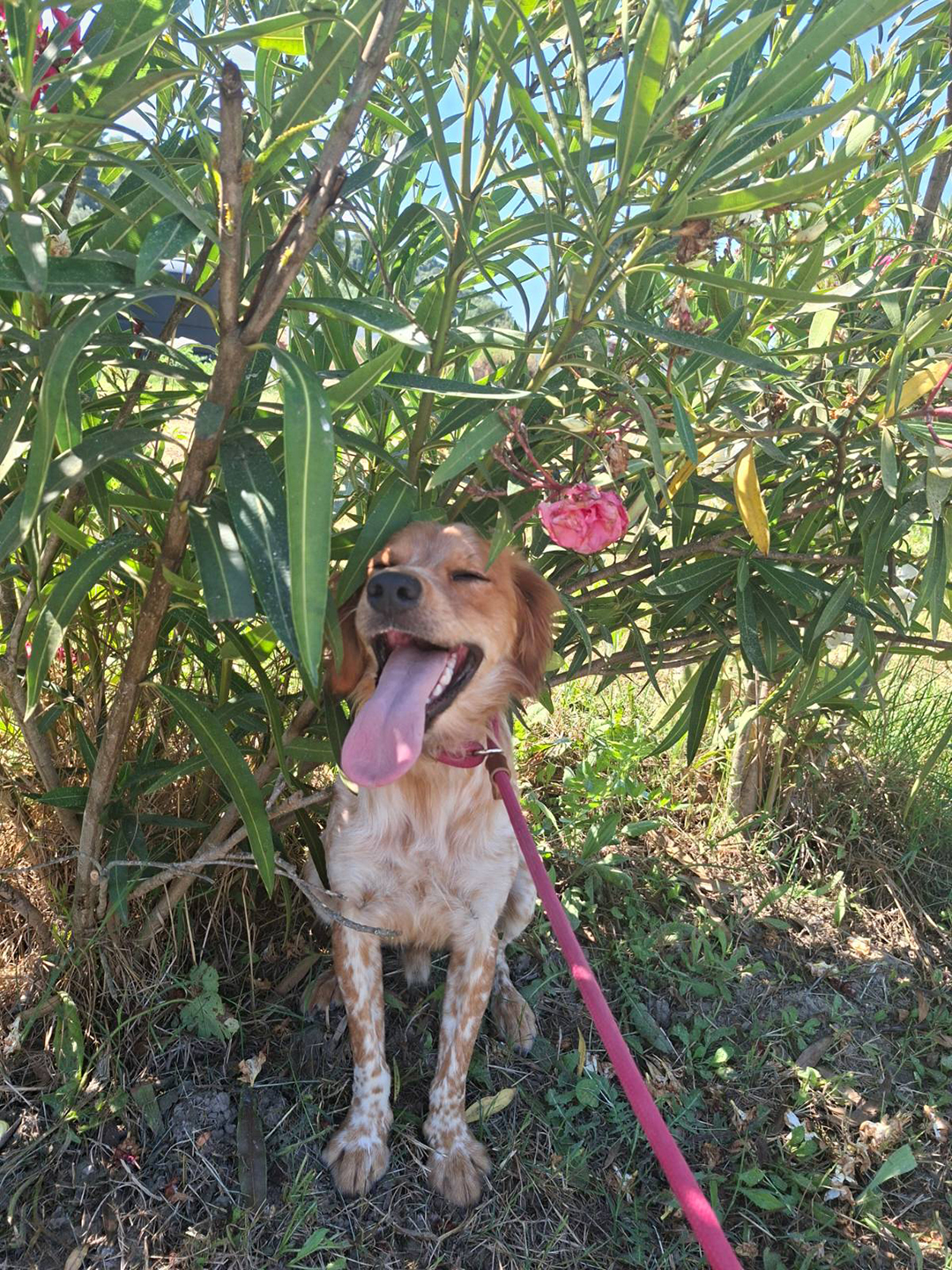
Zante Strays is one of the island's most active animal shelters. It currently cares for more than 70 dogs and relies heavily on volunteers and adoptions to keep going.
Food is their biggest expense, with around €1,000 spent each day to feed and care for all the animals. The shelter is located near the airport, around three kilometres from Kalamaki.
You can find out more about the shelter on their website.
Visitors are welcome to visit the shelter every day between 9am and midday. They can take the dogs for a walk, play with them or help with their care. Even a short visit can make a real difference by helping the dogs socialise and interact with people.
Another, smaller shelter on Zakynthos is called Healing Paws. Since they don't currently have their own facility, the rescued animals stay with the organisation's founder until they find a permanent home.
You can read more about their rescued animals and adoption opportunities here.
The organisation also points out that not every dog wandering around the island is necessarily abandoned. Many of them have owners and are used to roaming freely. Dogs that have been abandoned can often be recognised by their neglected appearance, poor health and signs of malnutrition.
Zakynthos is one of the most important nesting sites for loggerhead sea turtles in the Mediterranean. Every summer, the female turtles return to the island's sandy beaches to lay their eggs before heading back out to sea.
For the eggs to hatch successfully, the turtles need peace, clean sand and as little human disturbance as possible. That's why protecting Zakynthos' beaches plays such an important role in the survival of the species.
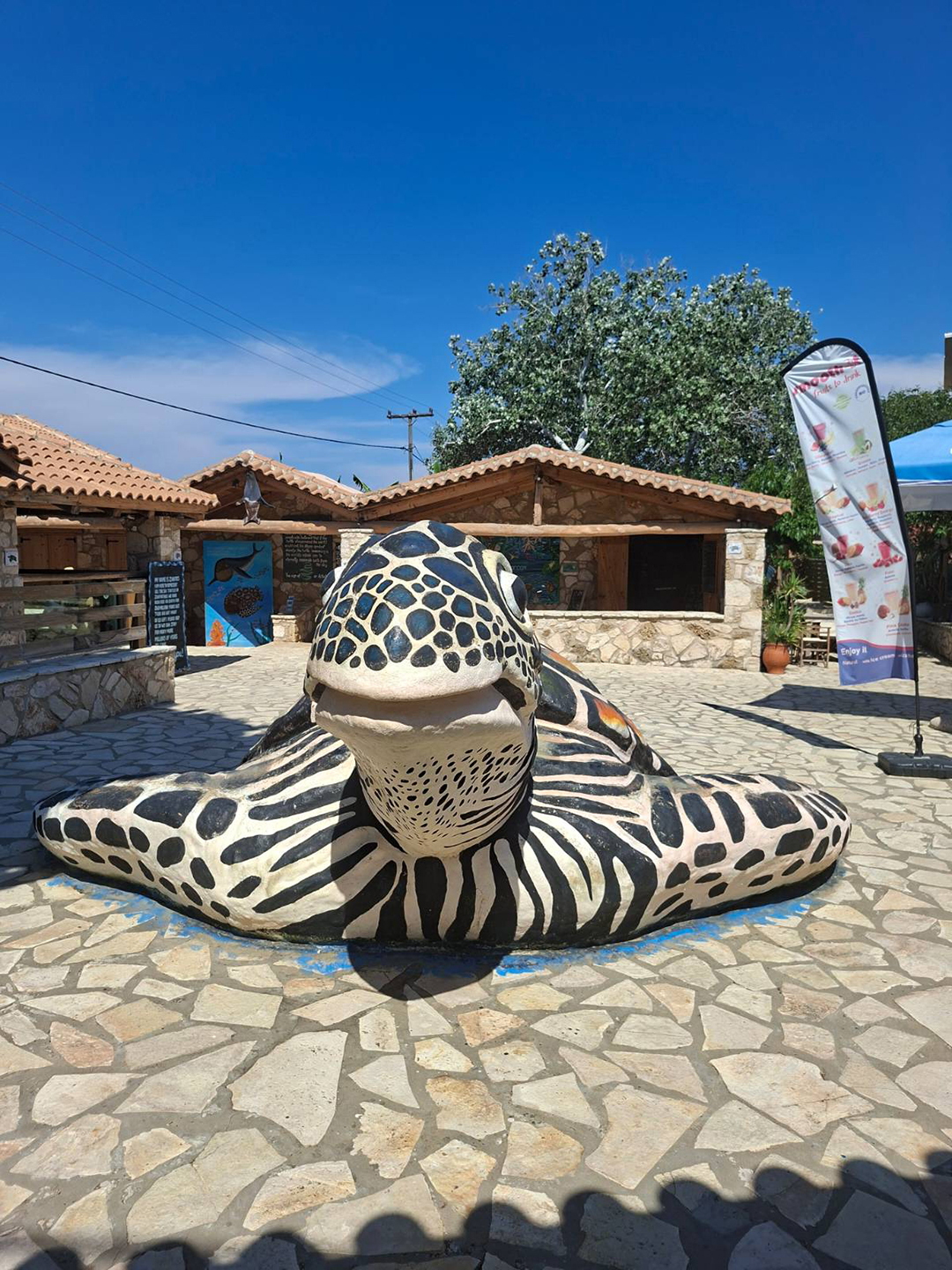
In the south of the island, you'll find an information centre dedicated to the life and protection of sea turtles.
A local resident, Yannis Vardakastanis, played an important role in protecting the turtles after recognising the impact that the tourism boom of the 1980s and 1990s was having on the island's natural environment. His work helped raise awareness and improve the protection of the turtles' nesting sites.
Inside, you'll find an exhibition about the history of turtle conservation on Zakynthos, the biggest threats to the species, and how visitors can play their part.
They also remind visitors to be especially careful around marked nesting sites. Even putting a beach umbrella into the sand can damage eggs hidden beneath the surface. They also advise against joining boat tours that chase turtles in their natural habitat.
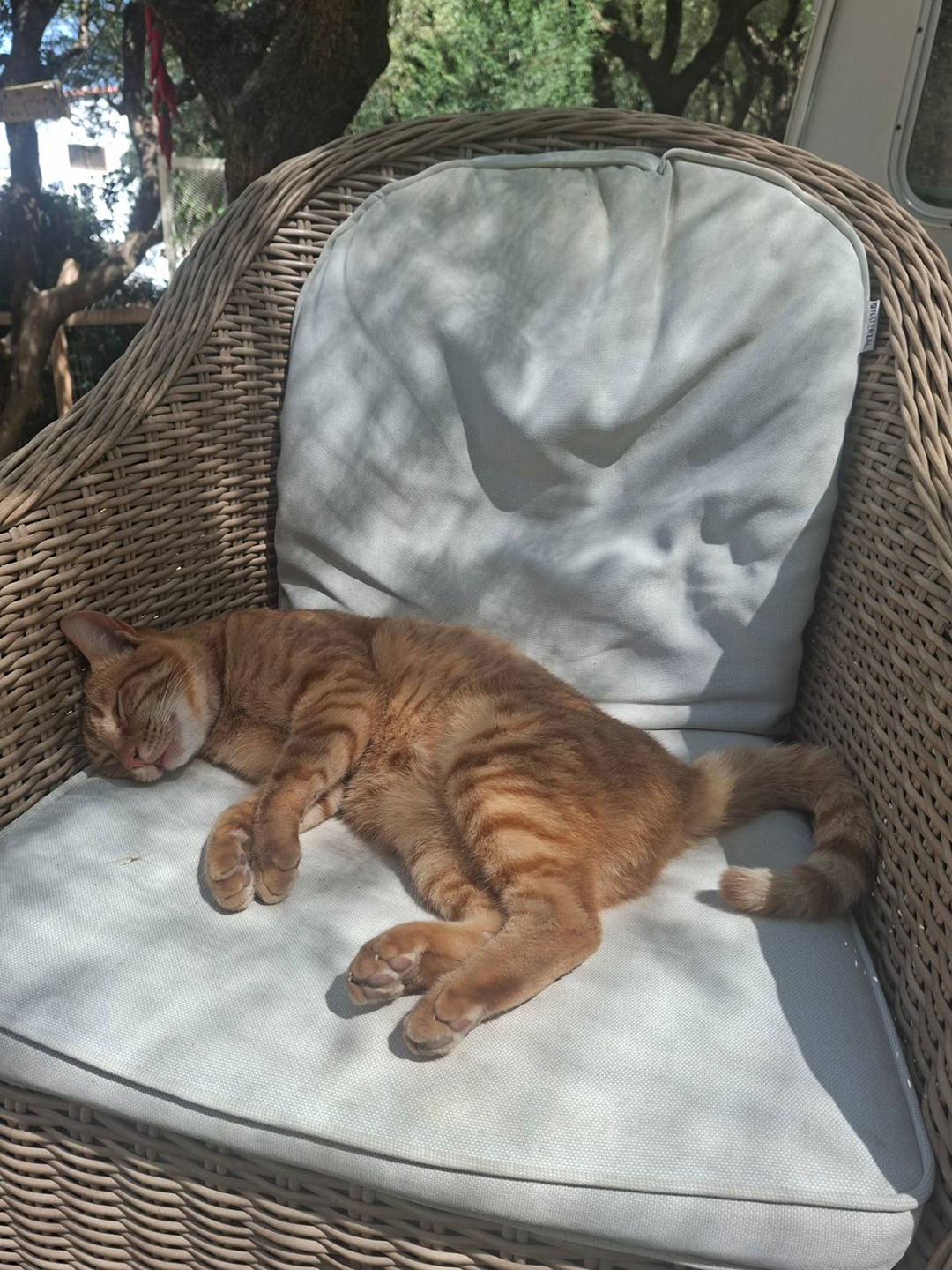
Zakynthos is more than just an island of beautiful beaches and stunning views. It's also home to countless animals that share it with millions of visitors every year. Its stray cats, shelter dogs and endangered sea turtles are all an important part of what makes the island what it is.
Responsible travel is about more than seeing the main attractions. It means respecting nature, supporting local organisations, and recognising that even small actions can make a big difference to the wellbeing of the island's animals. Visiting a shelter, donating, volunteering, or simply following the rules on the beaches are all small steps that can help give Zakynthos' animals a better future.
Next time you visit this beautiful Greek island, take a little time to appreciate its four-legged and shelled residents too. They might just change the way you experience Zakynthos.

Copyright (©) 2010 - 2026 Youth Hostel | Our Privacy Policy | Cookies | | RPC