Cuba is proof that there is another way. It is not merely a destination; it represents an alternative lifestyle, a different set of values, and a unique perception of the world. The Cuban nation possesses a singular character, forged through decades of historical trials, isolation, and daily economic challenges. On a global scale, Cubans are renowned for their exceptional warmth, openness, and boundless vitality. Despite the material deprivation they face in their everyday lives, they have maintained an infectious optimism, a vibrant sense of humour, and a profound connection to music and dance, which serve as a protective shield against daily anxieties. They are immensely proud of their cultural heritage, history, and identity, all of which they eagerly share with every visitor.
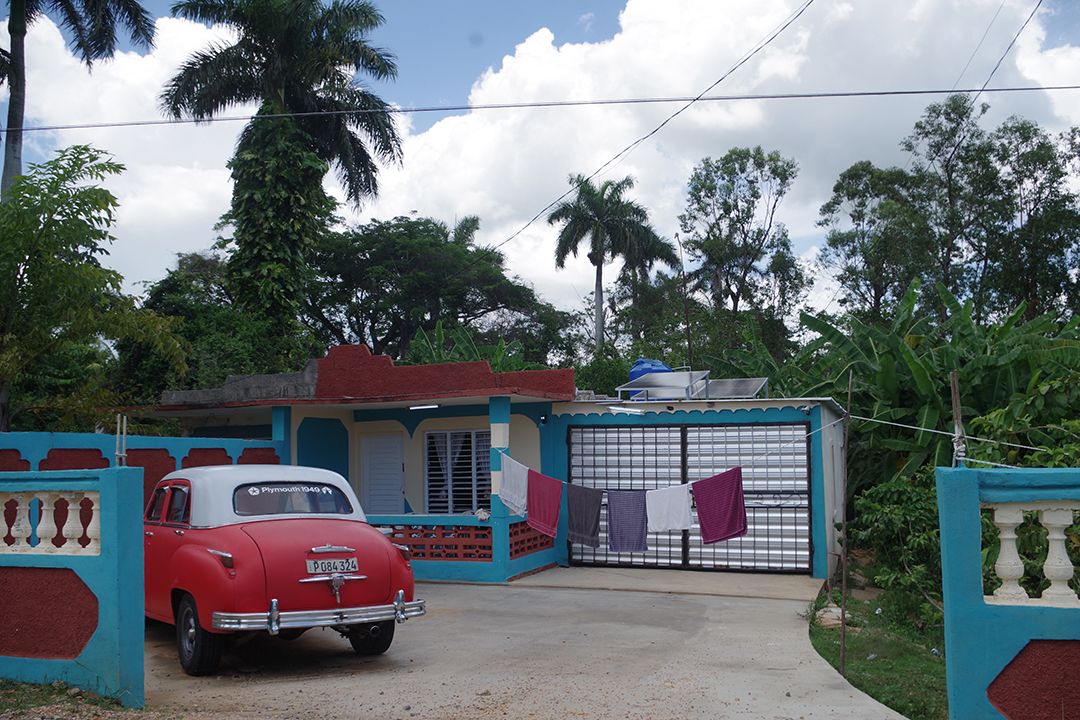
The most noble and distinctive trait of Cuban society, however, is their mutual solidarity. This goes far beyond occasional assistance; it constitutes the very foundation of their survival. In Cuba, an unwritten rule dictates that no one is ever left to fend for themselves. The doors of Cuban homes are often open, both literally and metaphorically; neighbours function as an extended family, unhesitatingly stepping in to help with house repairs, childcare, or tending to the sick.
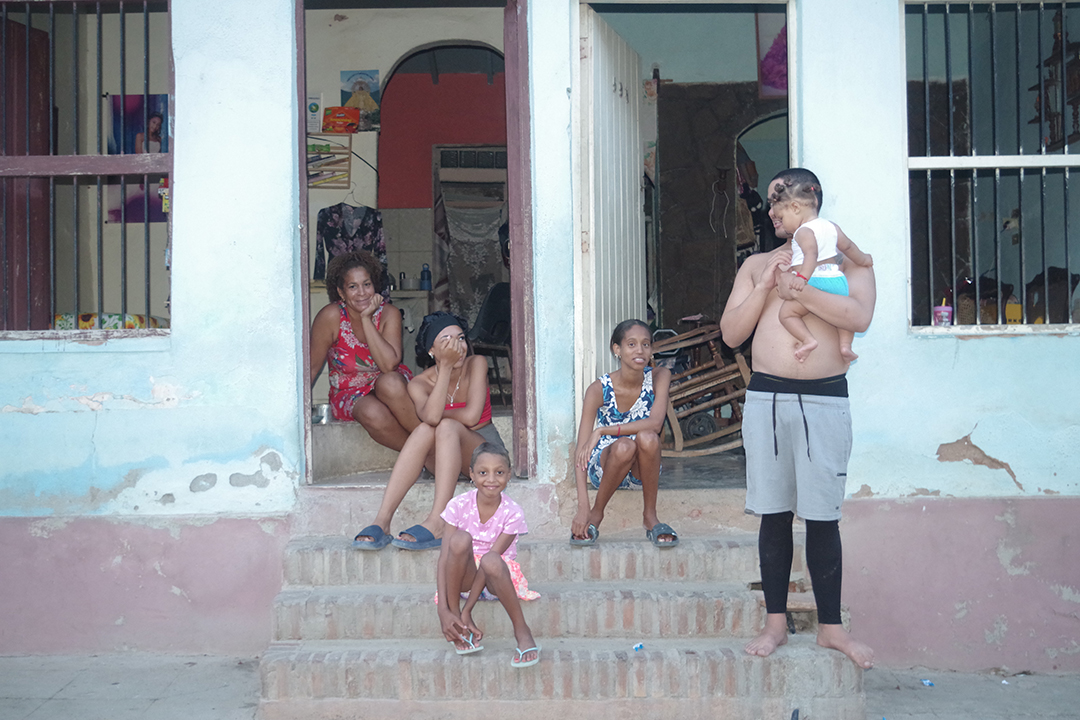
Furthermore, this solidarity is not confined to the local neighbourhood but is deeply ingrained in their entire mindset. Cubans do not measure wealth in material possessions, but rather in human connections and the willingness to aid another when it is most needed. It is precisely this genuine, unburdened human warmth and the readiness to share the little they have that imprints Cuba and its people onto the heart of everyone who meets them.
Cuba is situated in close proximity to the United States. Indeed, Key West in Florida and Punta Hicacos in Cuba are separated by a mere 151 kilometres. Yet, despite this geographical closeness, one can unfortunately not speak of good-neighbourly relations.
Quite the contrary – Cuba has been subjected to an economic blockade ever since the distant year of 1962, when President Kennedy imposed a total embargo on all trade between the United States and Cuba. This does not merely signify a ban on selling US products to Cuba, but also prohibits other nations from exporting goods that contain any US-made components or patents.
Consequently, Cuba was compelled to develop its own domestic production, achieving extraordinary success for decades, particularly in the fields of medicine and pharmacy. Precisely at the time of writing this article, the Cuban Centre for Molecular Immunology (CIM) presented CIMAvax-EGF, the world’s first registered therapeutic vaccine for lung cancer to the public. Furthermore, during the COVID-19 pandemic, Cuba was one of the few countries to develop as many as three vaccines of its own.
Yet, despite all these achievements, the economic blockade still stifles Cuba. The cumulative damage (without revaluation!) from 1962 to the present day exceeds 170 billion USD. Even prior to the tightening of the blockade this year, the monthly damage amounted to over 600 million USD. The year 2026 represents the nadir of the US blockade, as Washington threatens repercussions against any country supplying oil to Cuba—fuel that Cuba requires not only for transport but as the primary energy source for generating electricity.
Prior to my journey to Cuba in May 2026, I noticed that the Slovenian Ministry of Foreign Affairs had updated its travel advisory. However, reading the details completely reassured me. Unlike other countries in the region, which frequently suffer from armed clashes between gangs and police, homicides, armed robberies, and assaults, the Ministry’s warnings regarding crime in Cuba are limited merely to pickpocketing and petty theft – precautions we are routinely reminded of when visiting many European and other destinations.
Following a twelve-day visit to Cuba, during which I travelled approximately 2,000 kilometres, I can state with absolute certainty that one never feels threatened anywhere on the island, and I did not encounter a single unpleasant situation. Naturally, as tourists, we are approached by various vendors offering souvenirs and similar items, as well as waiters inviting us into restaurants. Yet, one can hardly hold this against them, even if they can occasionally be somewhat persistent. Granted, entirely safe countries do not exist, and crime occurs in Cuba as well; however, the probability of anything unfortunate happening to you is significantly lower than in most other countries, including those in Europe.
Nevertheless, the oil import blockade has left its mark. Consequently, long-distance taxi transport has become considerably more expensive, though it remains cheaper than comparable distances in Europe. Renting a car, particularly for long journeys, also presents a certain challenge, as fuel supply is heavily restricted. Cubans receive their fuel allocations by registering via a specific application, whereas visitors with rental vehicles are restricted to designated petrol stations. Even there, daily quantities are limited, and we occasionally experienced stations that had run completely dry.
For this reason, it occurred to me that some miscreant might steal fuel from the car. However, I was reassured and subsequently left the vehicle outside my accommodation overnight without the slightest worry. Travelling by rental car therefore remains entirely feasible, provided it is planned with a bit more care – especially if you wish to avoid purchasing fuel from intermediaries at inflated prices.
The green transition is an objective towards which nearly all of us aspire. Yet, any incentive, no matter how brutal—such as an oil import blockade—unquestionably accelerates the process. Between the seizure of the Venezuelan president in January, which halted the supply of Venezuelan oil to Cuba, and the month of May, tectonic shifts have occurred in Cuba’s green energy sector. Across the country, large and small solar power plants are mushrooming, slowly but steadily shortening the periods of rolling blackouts caused by the oil shortage.
In addition to state-operated solar plants, many individuals are installing smaller solar arrays for personal use. This is particularly evident in private accommodations (Casas particulares), where nearly all proprietors possess their own solar power systems. When paired with robust batteries, these are sufficient to power all smaller appliances, from lighting to refrigerators and fans. Power cuts remain frequent in Cuba, as despite the accelerated construction, solar power plants have not yet replaced all the electricity that thermal power plants would generate under normal operating conditions.
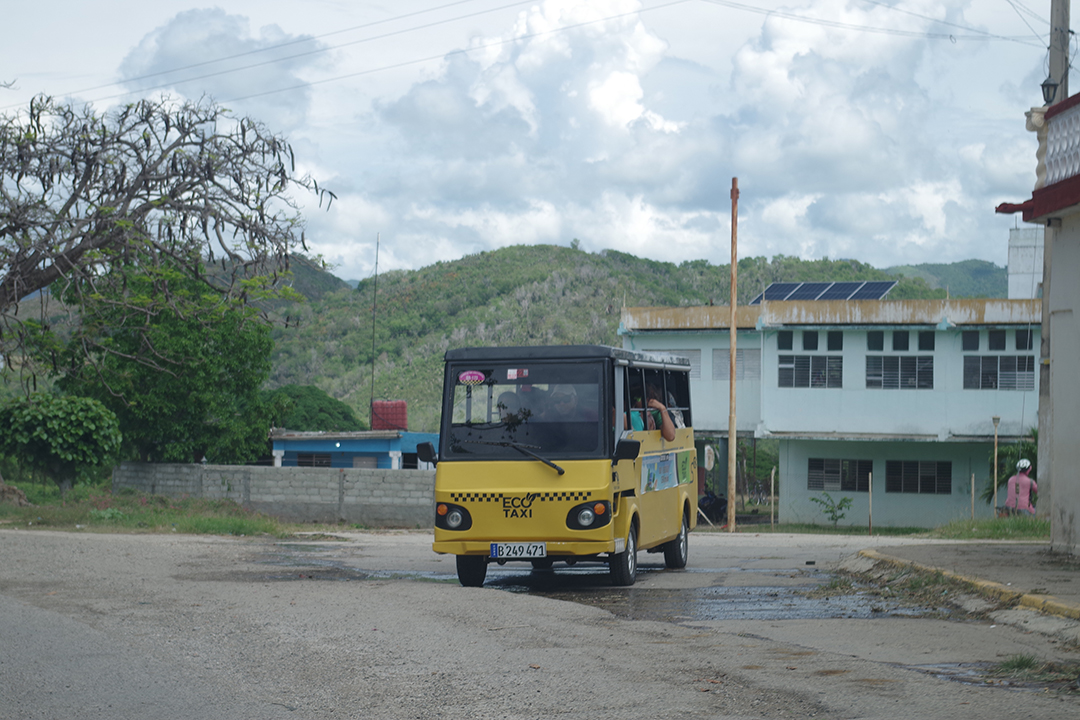
Mobility is likewise adapting rapidly to current circumstances. Consequently, several cities have introduced smaller electric buses for municipal transport, and an increasing number of electric vehicles are appearing among the new cars on the road.
Before my departure, I listened to dramatic news reports concerning catastrophic food shortages, and I even packed some bread and pâté, even though I suspected that such information was effectively an extension of the blockade, designed to deter potential tourists.
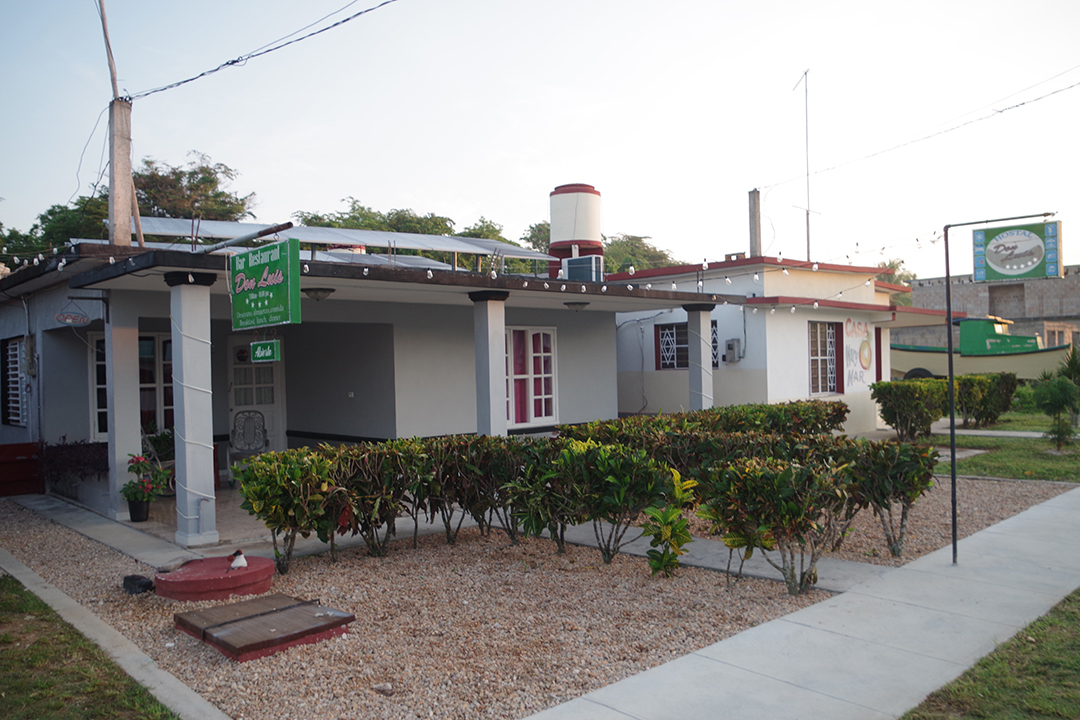
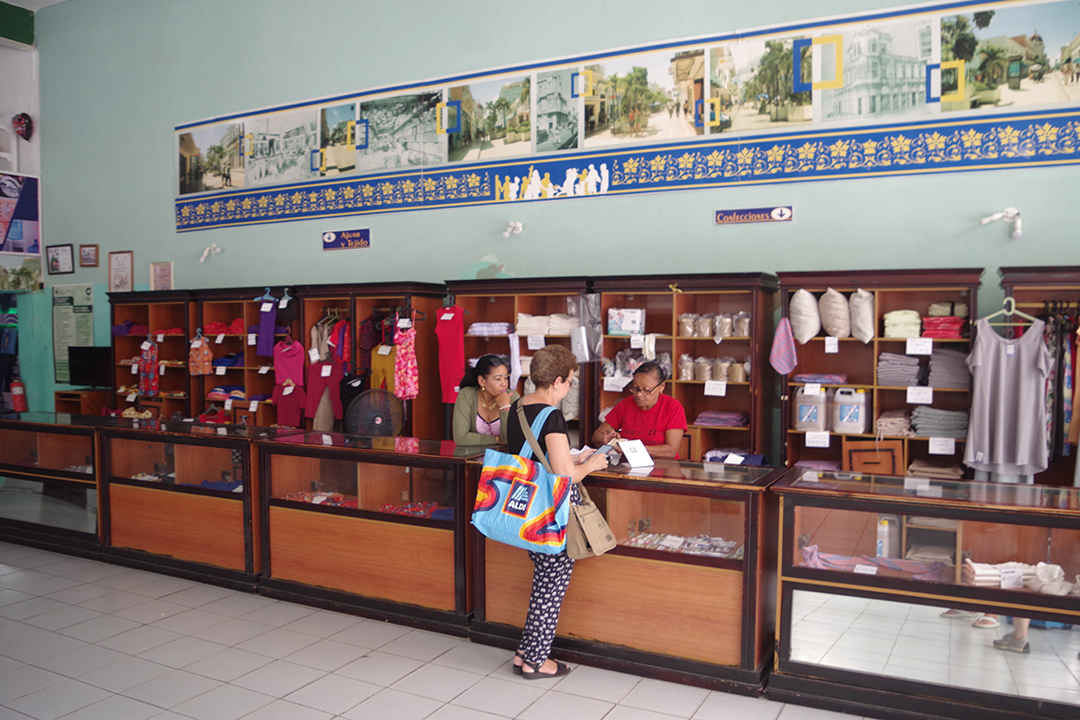
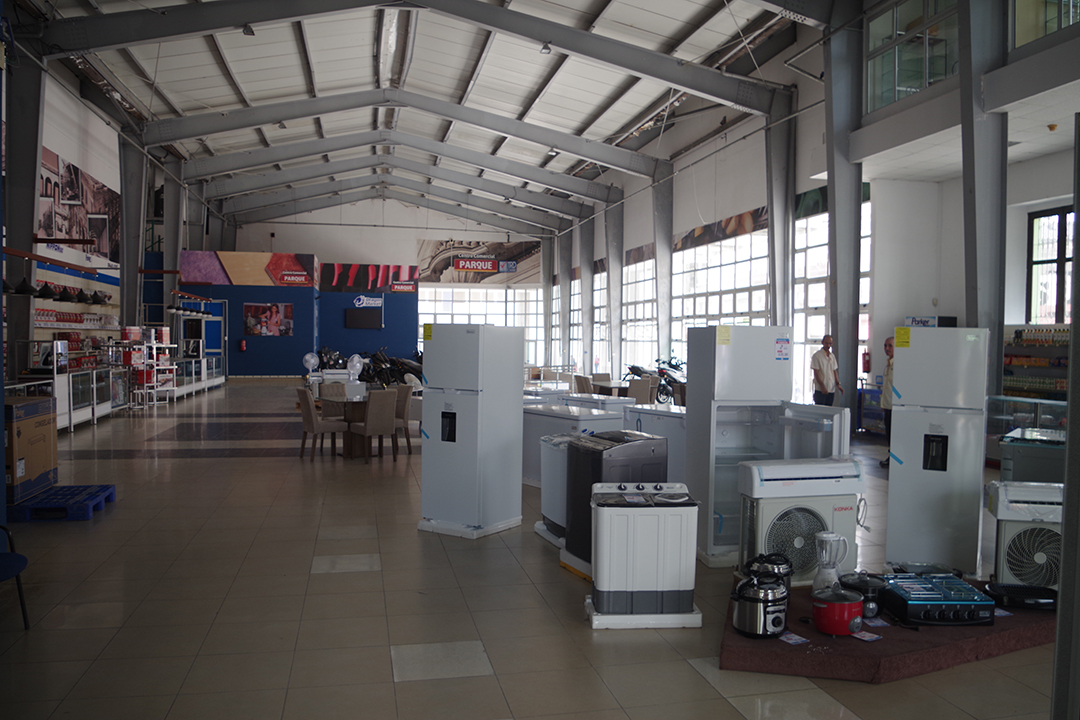
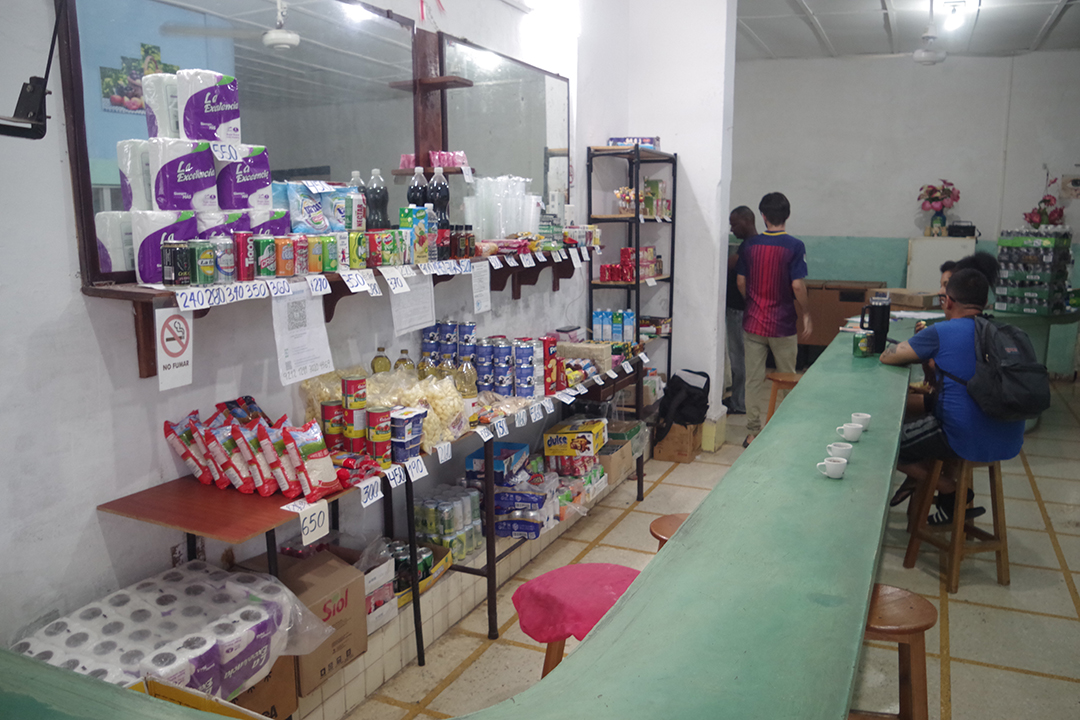
While I cannot deny that Cuba faces challenges regarding fuel and electricity, I can completely refute the claims regarding a lack of food, and I did not observe long queues outside shops and bakeries. Naturally, the stock in Cuban state shops cannot be compared to European supermarkets, but it is a far cry from starvation.
In this context, it is essential to highlight that following a revision of the Cuban Constitution, which was the fruit of extensive public consultations and was supported by approximately 85% of all Cubans in a referendum, the Cuban government reintroduced the establishment of small and medium-sized private enterprises. As a result, alongside state shops, approximately 5,000 such businesses are registered in Havana alone. About a third of these are engaged in retail, and when one factors in smaller sole traders, it becomes clear why there is a surge of large and small shops in Havana and other towns, offering everything that might not be available in state establishments.
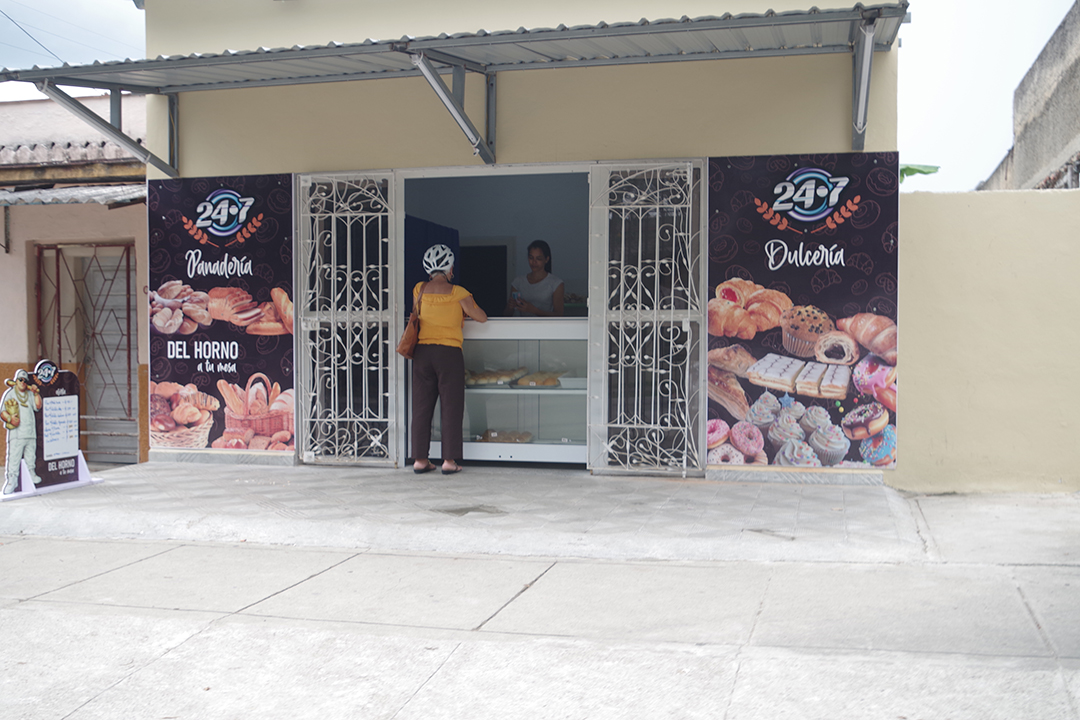
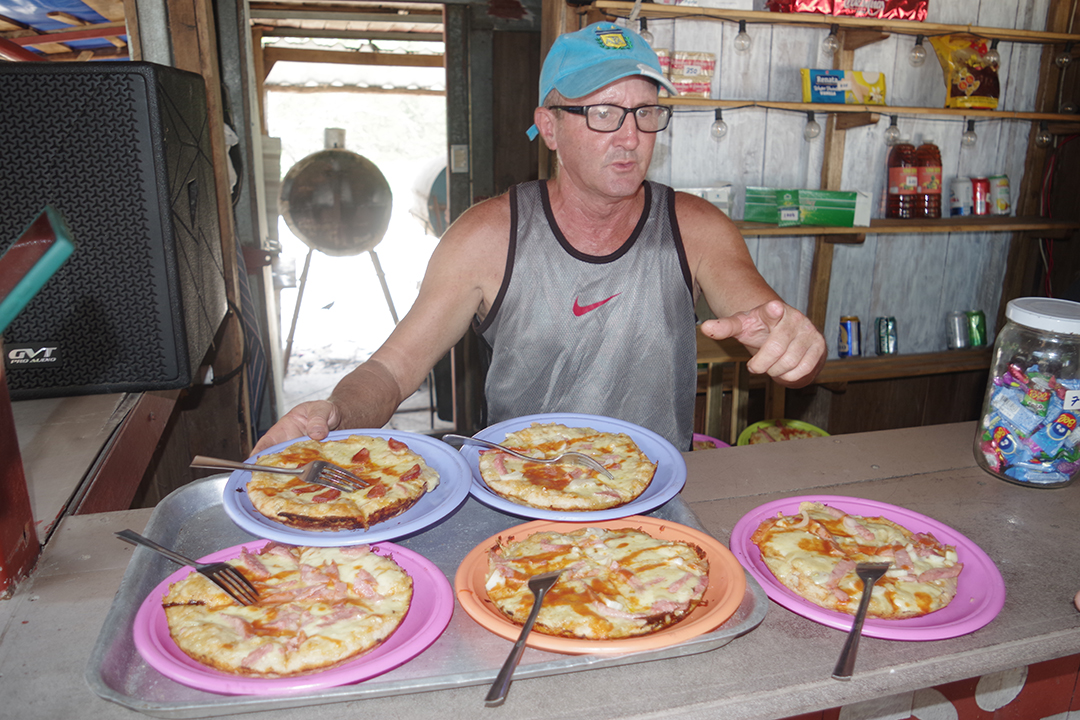
Restaurants also operate more or less normally, although a lack of tourists has caused certain venues to close their doors, particularly in tourist hubs such as Varadero or Trinidad. However, if you adhere to the golden rule of patronising local restaurants, you will undoubtedly find something to your liking, especially if you are a lover of seafood, such as lobster. Moreover, enthusiasts of tropical fruit will truly come into their own, as breakfasts feature platters laden with mango, papaya, passionfruit, bananas, and everything else that grows in Cuba.
Despite all warnings and media reports, I can unhesitatingly recommend visiting Cuba. It is, in essence, a paradise on earth where one can enjoy unspoilt nature, magnificent beaches, a rich history, the rhythms of Cuban salsa, and some of the most warm-hearted people in the world. I would be lying if I claimed you will not notice the consequences of the tightened economic blockade, but the hospitality and resourcefulness of the Cubans will more than compensate for it. I am confident that a visit to Cuba will leave you with beautiful memories, and that after your first visit, you will merely count the days until the next—for Cuba has a way of captivating everyone to the extent that they return as often as possible.
Naturally, a journey to Cuba, like any other travel, requires prudent planning. Above all, for any travel to other parts of the world, I recommend a well-stocked travel medical kit. Certain medications (at least under the same brand name) may not be found in Cuba, and many over-the-counter medicines available at home might only be dispensed on prescription there. Additionally, travel health insurance must be arranged, as the free European Health Insurance Card only covers a handful of countries outside the European Union, such as Serbia.
Given the altered circumstances, I have permitted myself a somewhat lengthier introductory section to this travelogue; in the following parts, we shall relive a twelve-day journey through Cuba in May 2026 together.

Copyright (©) 2010 - 2026 Youth Hostel | Our Privacy Policy | Cookies | | RPC