In the northeast of China lies its capital, Beijing, home to more than 22 million people. The earliest settlement in this area from 1045 BC was called Jicheng. In 221 BC, the first emperor united China, and Jicheng became the capital of the prefecture. During the 15th century, Beijing gained many of the landmarks it's best known for today, and received its current name, which means "Northern Capital".
It was during the Ming dynasty that Beijing began to take the shape we see today. Later, under the Qing dynasty, it became China's sole capital, a status it kept after the republic was established in 1911. In 1949, during the Chinese Civil War, the Communist Party took control of the city, and later that year it became the capital of the newly founded People's Republic of China.
Beijing has two airports, but if you're flying from Europe, you'll almost certainly land at Beijing Capital Airport. The easiest way to get into the city is by the Airport Express train, which takes around 20 minutes to reach Dongzhimen Station. From there, you can continue your journey on the metro. The city's largest railway station is Beijing West, and it's where you'll most likely arrive if you're travelling to Beijing by high-speed train from one of China's other major cities. The station is only eight kilometres from the city centre, which you can easily reach by metro. Public transport in Beijing is very efficient and tourist-friendly. Its metro system is one of the largest in the world and will take you to all the city's main sights.
The area around Tiananmen Square is considered the city centre. The square was built in the 17th century and has been expanded four times since 1949. In its current form, it can hold up to a million people and has been the setting for many important events in Chinese history. If you'd like to visit, you'll need to make a free reservation through the WeChat app.
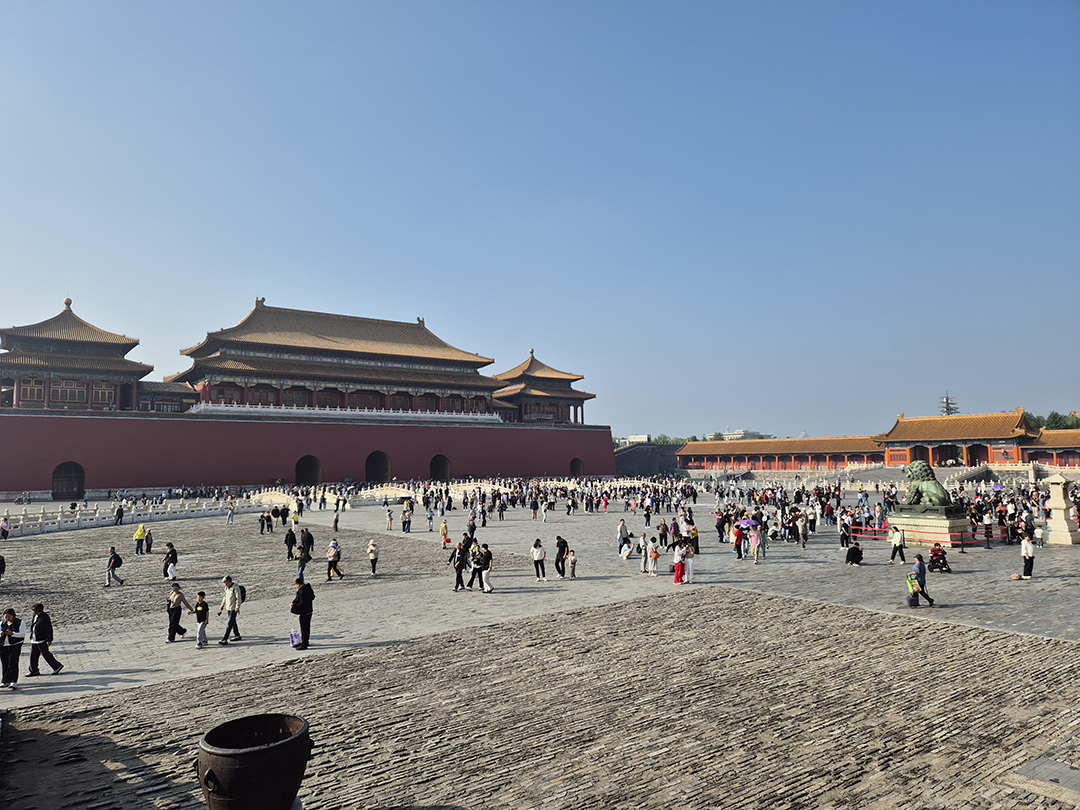
Right next to Tiananmen Square is the Forbidden City, which was built in 1420. This palace complex has 8,886 rooms spread across 72 hectares and was home to 24 emperors of the Ming and Qing dynasties for more than 500 years. The palace got its name because entry was limited to only a select few. Apart from the imperial family, only eunuchs used to live there. Anyone else who entered the palace was immediately executed. Today, the Forbidden City is Beijing's most visited attraction. It is the largest preserved royal palace complex in the world and is even considered the world's most valuable piece of real estate.
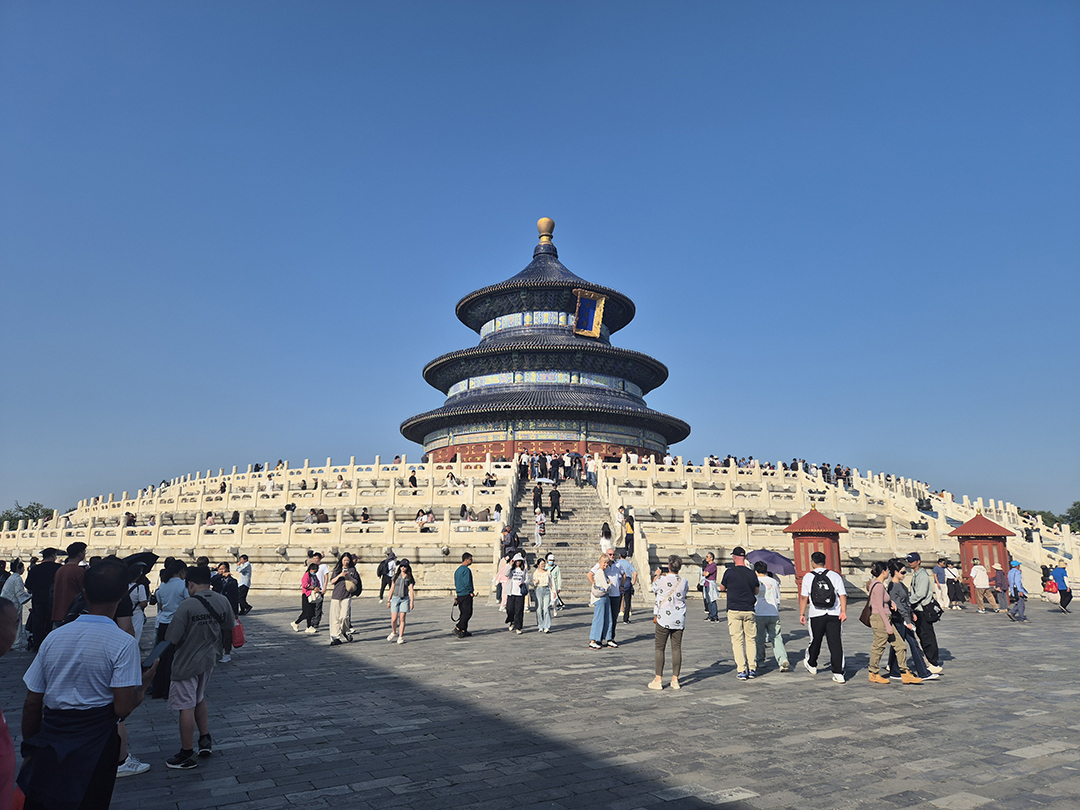
Built in the 15th century around the same time as the Forbidden City, the Temple of Heaven is also one of Beijing's most recognisable landmarks. The emperors of the Ming and Qing dynasties came here each year to pray to heaven for a good harvest. The Lama Temple was built in the 17th century and was the most important Buddhist temple in China during the Qing dynasty. It is also home to the largest Tibetan monastery outside of Tibet.
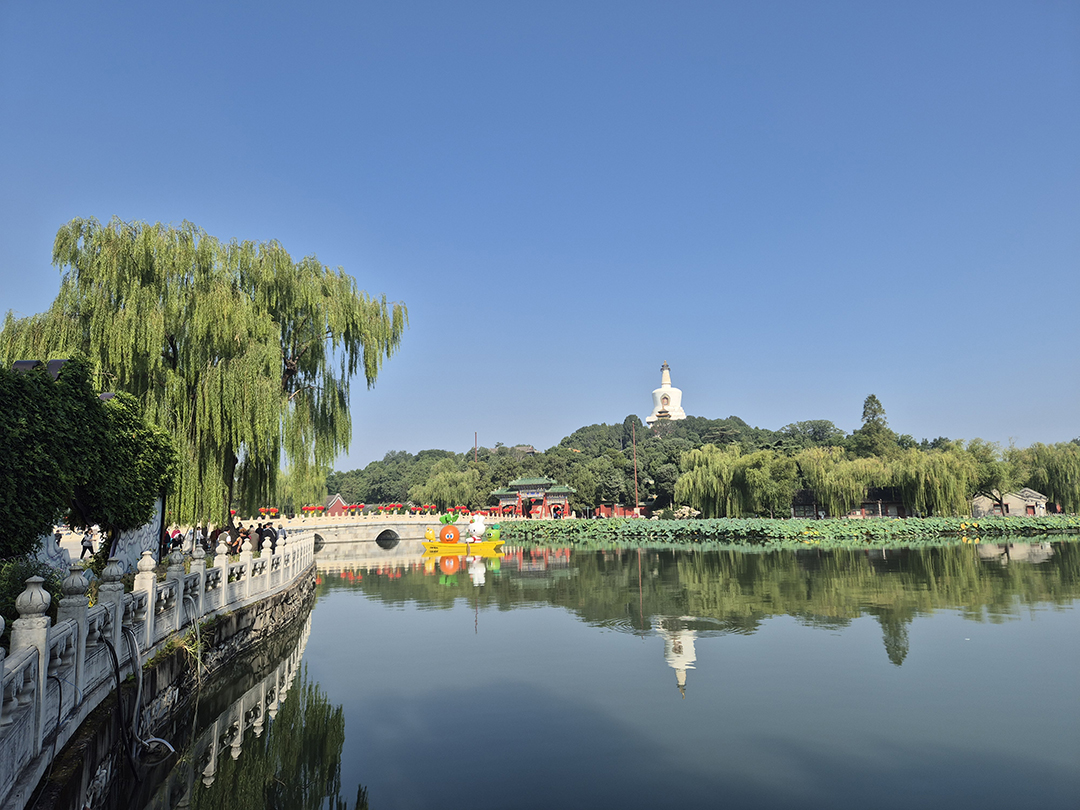
Beijing is a city of many parks. Jingshan Park sits just north of the Forbidden City – once part of the palace grounds, it now offers one of the best views over the imperial palace. Beihai Park is a former imperial garden dating back to the 12th century, with several temples and palaces. More than half of the park is covered by a lake, where you can take a boat out onto the water. Yuanmingyuan Park is home to the ruins of the Old Summer Palace, which was built in the 18th century. It was destroyed by French and British troops in 1860. The palace was so vast that it took 4,000 soldiers three days to tear it down. Not far from the park is another Summer Palace, built during the Qing dynasty in the 18th century. The complex is made up of several palaces, gardens and a lake, which covers more than half of its total area.
Beijing's main shopping area is the nearly two-kilometre-long Wangfujing pedestrian street. It is lined with more than 280 shops and offers a wide range of places to eat, including many street food stalls and restaurants serving Peking duck. One experience many visitors enjoy in Beijing is shopping for counterfeit goods, where haggling over the price is all part of the fun. Silk Street Market and Pearl Market are the best-known places to shop, while Panjiayuan Market is the city's most famous market for antiques.
Around 70 kilometres outside the city lies the Great Wall of China, which has been one of the New Seven Wonders of the World since 2007. You can visit several different sections of the wall. Badaling is the most popular, but Mutianyu is a great alternative with far fewer crowds. Both sections are easy to reach by public transport, either by bus or train, with the journey taking between an hour and a half and two hours. Whichever section you choose, it's a good idea to book your tickets in advance. To reach the wall from the entrance, you'll need to take a cable car. You can take it back down as well, or, if you're feeling a bit more adventurous, ride back down on a toboggan.
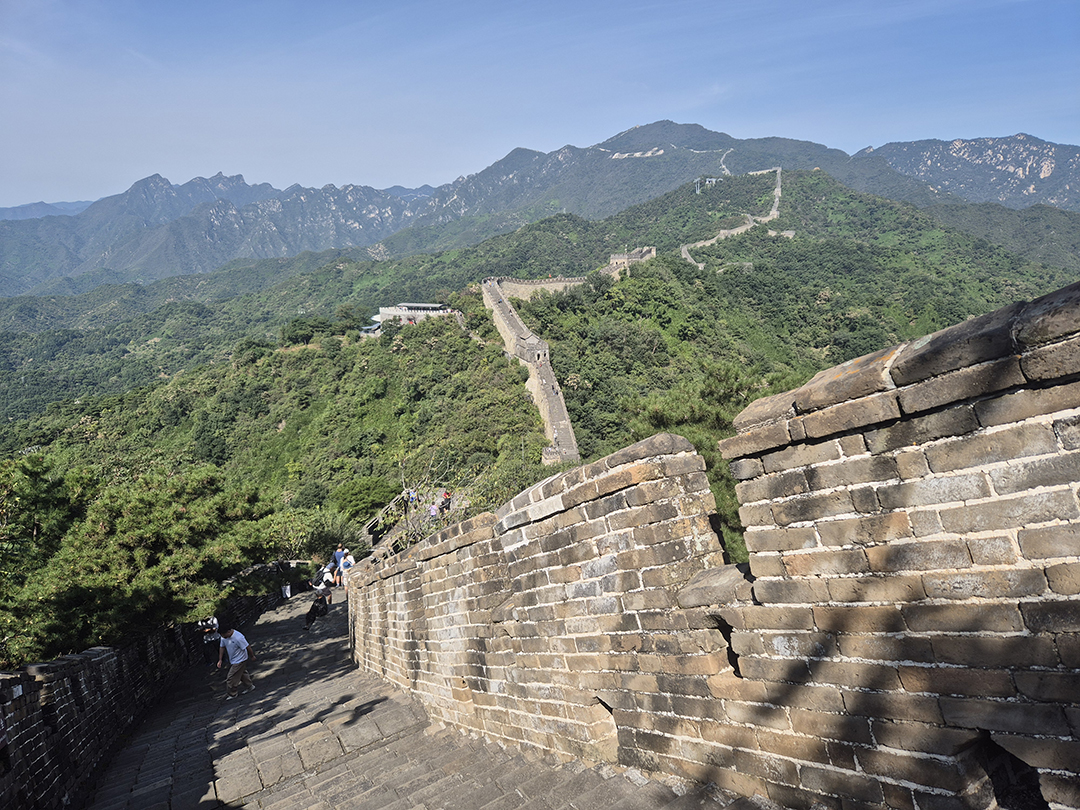
The Great Wall of China is a series of ancient fortifications built along the northern borders of imperial China to protect the empire from nomadic groups, including Mongol and Hun tribes. The earliest traces of the wall date back to the 7th century BC, although most of it was built between the 14th and 17th centuries during the Ming dynasty. The wall stretches for an incredible 21,196.18 kilometres, which is why it is considered one of humanity's greatest engineering achievements.
Beijing offers a unique combination of more than 3,000 years of history and modern, forward-looking city life. If you only have time to visit one city in China, Beijing is the obvious choice. The city is huge, yet it's clean, safe and well organised in a way that not many major cities around the world are. Thanks to its location, this former imperial capital is also an excellent starting point for a trip around China.

Copyright (©) 2010 - 2026 Youth Hostel | Our Privacy Policy | Cookies | | RPC