Iceland is one of Europe's most unique destinations. Most people live in and around the capital Reykjavik, while huge parts of the country are almost completely uninhabited. Because of this, the infrastructure outside the main tourist areas isn't as developed as it is in many other European destinations, so planning your trip carefully before you visit is very important.
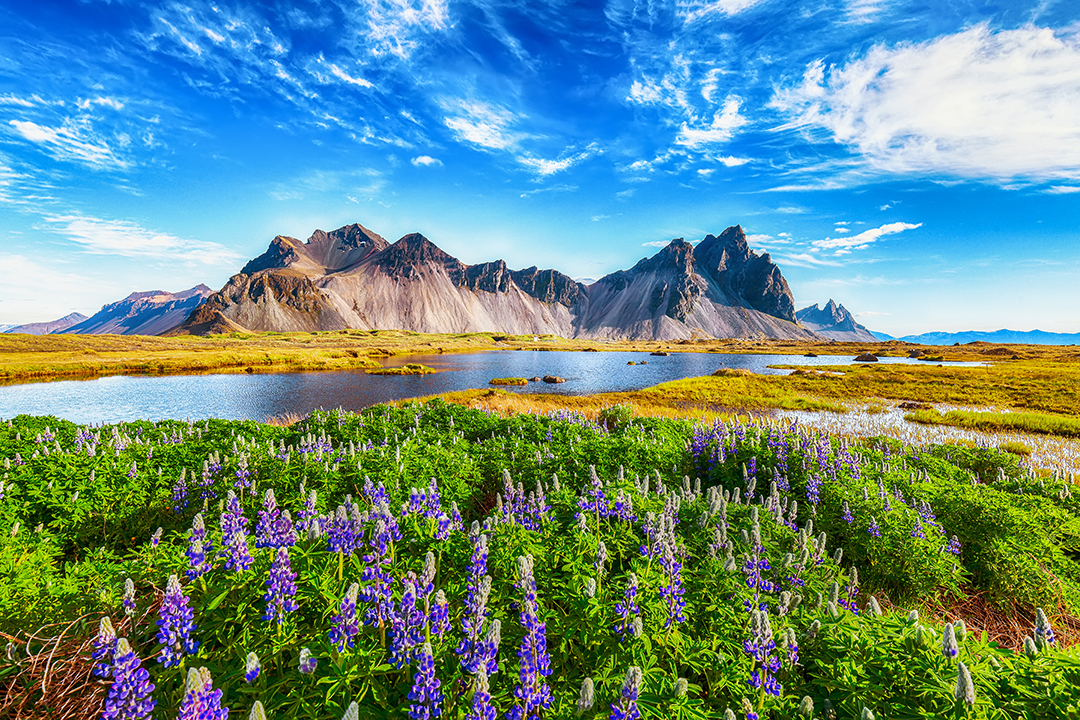
The most popular way to explore Iceland is by car, as the Ring Road, also known as Route 1, circles the entire island and connects most of its main attractions. Driving the full Ring Road usually takes between seven and ten days, depending on your pace and how many stops you make. If you're only visiting for a few days, most travellers focus on the south of the country and the Golden Circle, where the main attractions are closer together and easier to reach.
The best time to visit is between June and September, when the days are long, the roads are easier to drive, and the weather is generally more stable. It's also the busiest and most expensive time of year. Winter gives you the chance to see the Northern Lights, but it also calls for a bit more caution because of the shorter days and more challenging road conditions. By most European standards, Iceland isn't a budget-friendly destination, so it's worth booking your accommodation in advance and looking for ways to keep costs down, like buying food from supermarkets or opting for more basic lodging.
Reykjavik is small, compact, and easy to explore on foot, with most of the city's main sights within walking distance. This makes it a great base for travellers looking to make the most of their time without spending too much money. The city is also the main base for organised tours and car rentals, so most trips around Iceland begin here, where you can arrange the practical details and adapt your plans to the current conditions.
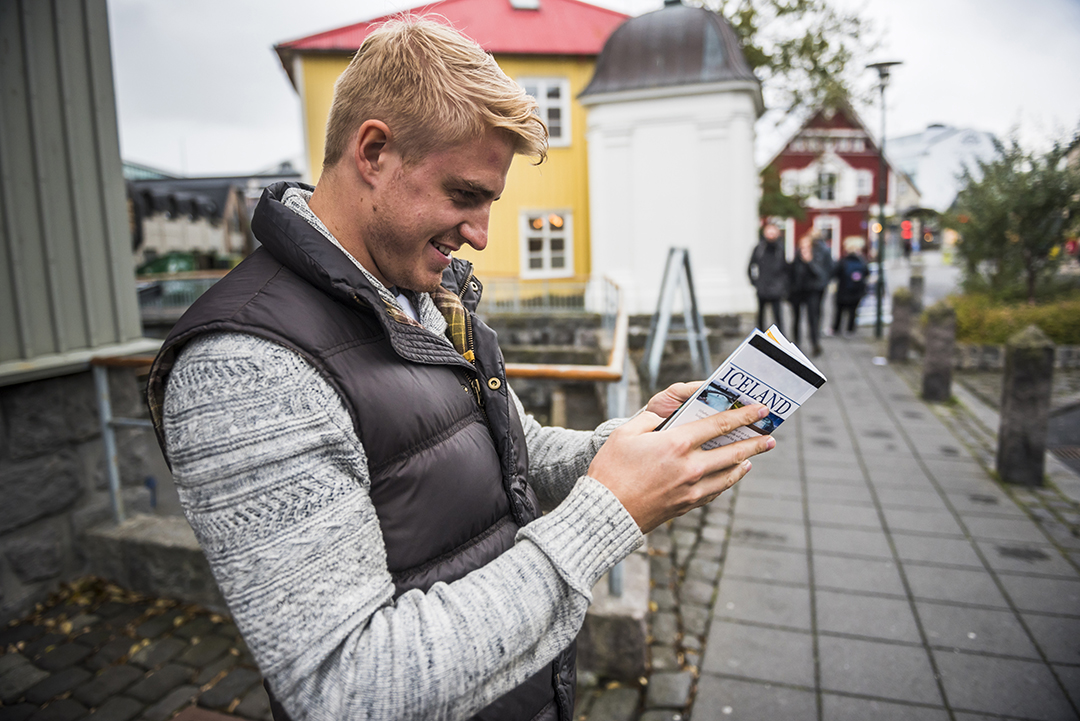
Hallgrímskirkja is one of Reykjavik’s most recognisable landmarks, and if you head up the tower, you'll get great views across the city and the surrounding area. Down by the waterfront, Harpa Concert Hall offers a striking contrast with its modern design and is one of the city's main cultural venues. Laugavegur, the city's main street, is full of restaurants, bars, and shops, and gives you a feel for Reykjavik’s everyday life.
Reykjavik also has the country's widest choice of places to eat, from traditional Icelandic dishes to modern Nordic cuisine. Prices are high, but they reflect the quality of the ingredients, which is why many travellers choose a combination of restaurants, local bakeries, and more casual, budget-friendly options. As the main base for exploring Iceland, Reykjavik is also well connected to Keflavík Airport, which is about a 45-minute drive away. This makes it an easy place to start or end your trip.
The Golden Circle is Iceland's best-known and easiest sightseeing route, and it's perfect for a day trip from Reykjavik. It includes three of the country's most famous attractions, Þingvellir, Geysir, and Gullfoss, which offer a great introduction to Iceland's natural beauty and history. Þingvellir National Park has both geological and political significance. This is where the boundary between two tectonic plates runs, so you can see the cracks in the earth, and it's also where Alþingi, one of the world's oldest parliaments, was founded.
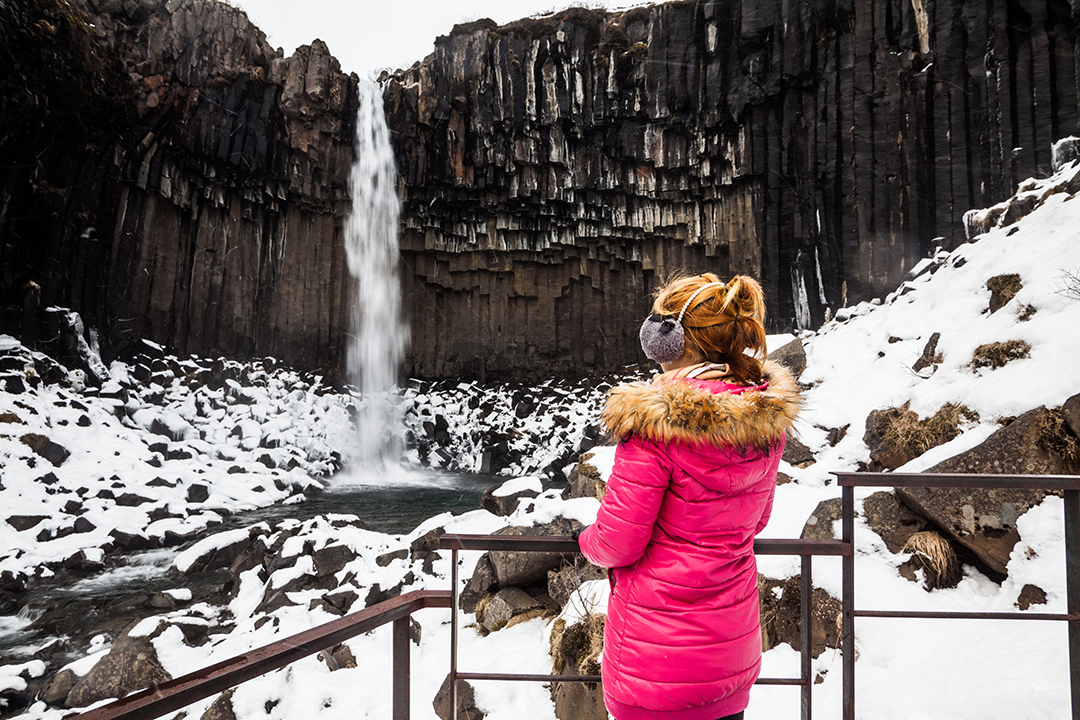
The Geysir geothermal area is best known for Strokkur, an active geyser that erupts every few minutes, so you won't have to wait long to see it in action. Gullfoss, on the other hand, is one of Iceland's largest waterfalls. It's easy to reach and impressive enough to win over even those who don't usually go out of their way to visit natural attractions. The roads along the route are paved and the infrastructure is well developed, which makes the Golden Circle the perfect introduction to Iceland.
Iceland's south coast is one of the country's most diverse regions, with waterfalls, glaciers, and dramatic coastline all within short distances, which makes it very easy to explore. Among the best-known sights are Seljalandsfoss, a waterfall that you can walk behind, and Skógafoss, known for its impressive width and the rainbows that often appear in its mist. It's the kind of place where your photos won't need a filter.
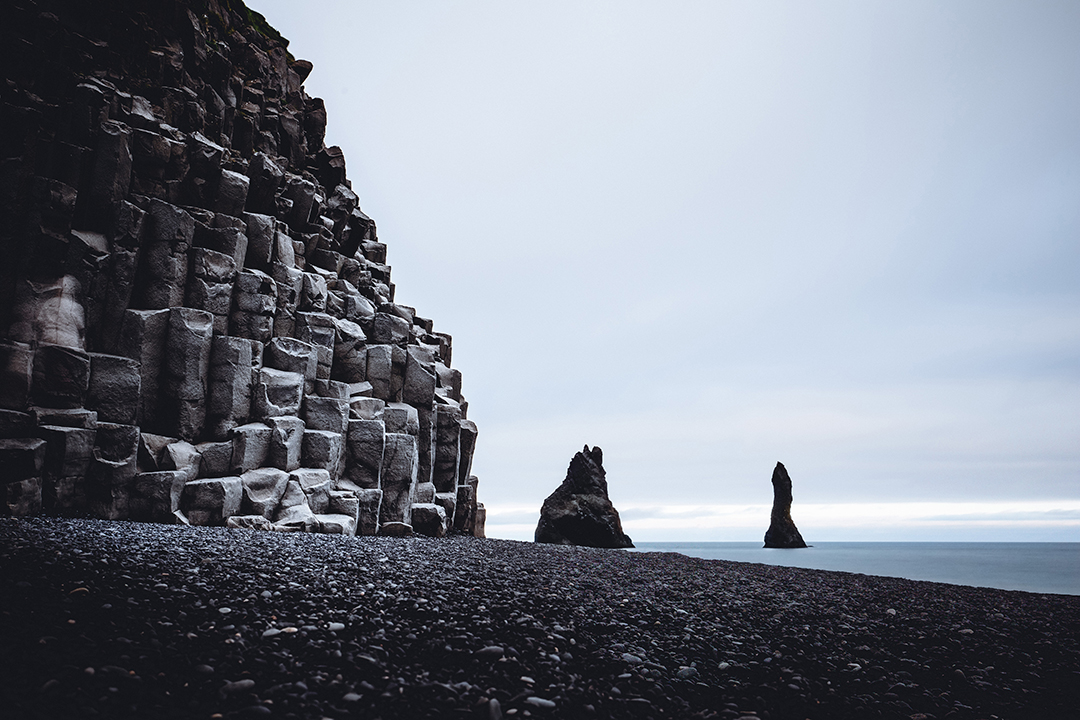
The coastline is famous for its black sand beaches, especially Reynisfjara, where the powerful waves create a dramatic landscape. As beautiful as it is, the waves can be dangerous, so it's important to be careful.
One of the region's biggest highlights is its glaciers, including Vatnajökull, the largest glacier in Europe, and Jökulsárlón Glacier Lagoon, where you can watch huge blocks of ice slowly drift out towards the ocean. Driving along the south coast is straightforward, as you stay on the main road for most of the journey. Even so, it's important to keep an eye on the weather, as strong winds can quickly make driving more dangerous.
Driving in Iceland is a big part of the experience, as it gives you the most flexibility. At the same time, it also means adapting to conditions that can be very different from those in mainland Europe. The main roads are well maintained, but many of the smaller roads are gravel. If you're planning to explore the Icelandic Highlands, you'll need a four-wheel-drive vehicle, as the so-called F roads cross rough terrain and even rivers.
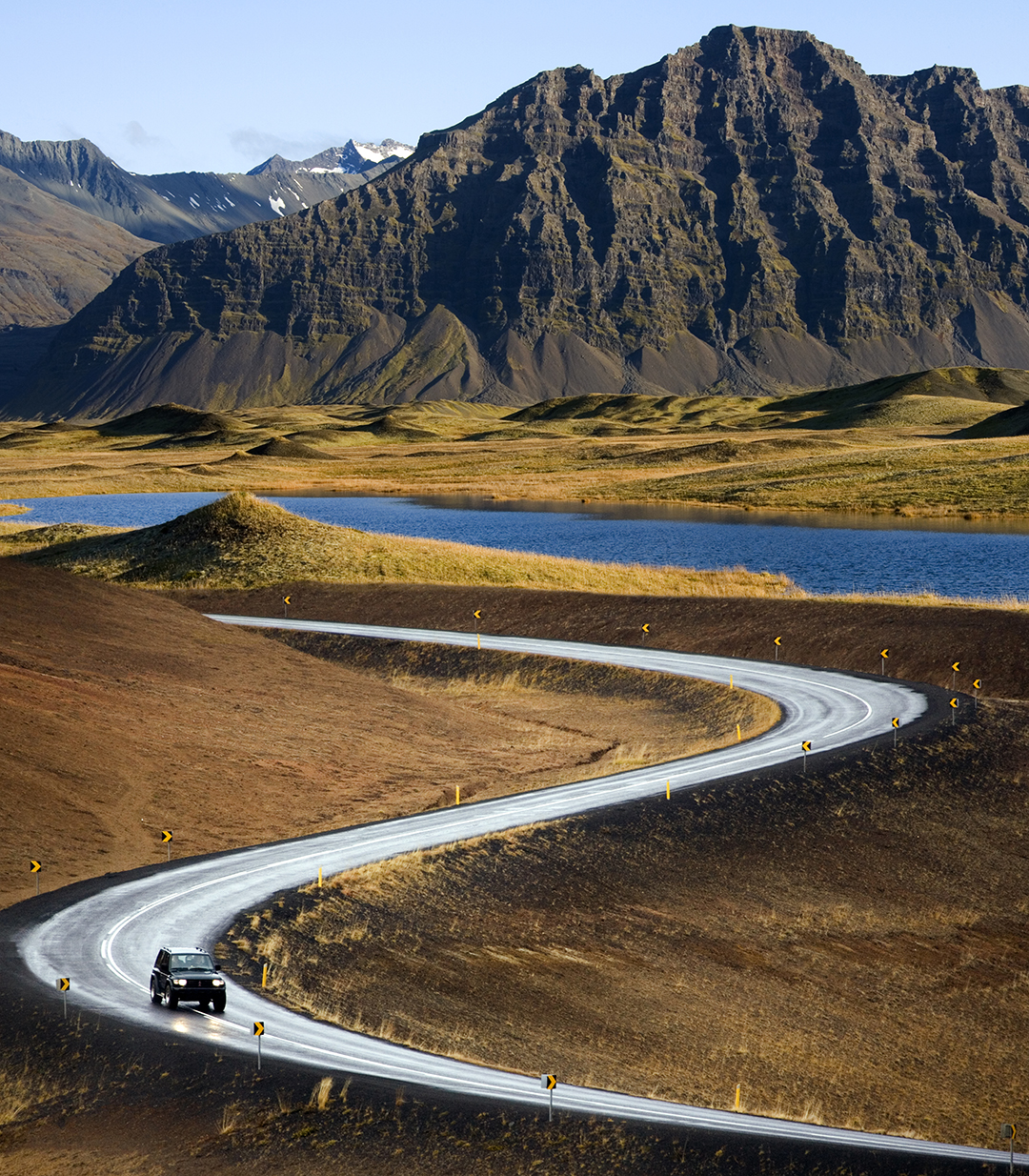
The weather can change very quickly. Strong winds, rain, and fog can all affect visibility and make driving more dangerous, so it's important to check both the road conditions and the weather forecast regularly. Petrol stations aren't as common as you might expect, so it's a good idea to fill up whenever you have the chance and keep some basic food and water supplies with you. Iceland is a very safe country, but the biggest risks come from nature rather than people, so it's important to respect the conditions at all times. If you'd rather leave the planning to someone else, a professionally organised tour is a great option. It offers a safe and well-planned way to experience as much of this incredible country as possible.
Iceland changes dramatically with the seasons, and each one offers a very different travel experience. In summer, the days are almost 24 hours long, which gives you plenty of flexibility to explore and fit more into each day. The roads are also more accessible, including those leading into the Highlands. Temperatures usually range between 10 and 15 degrees Celsius.
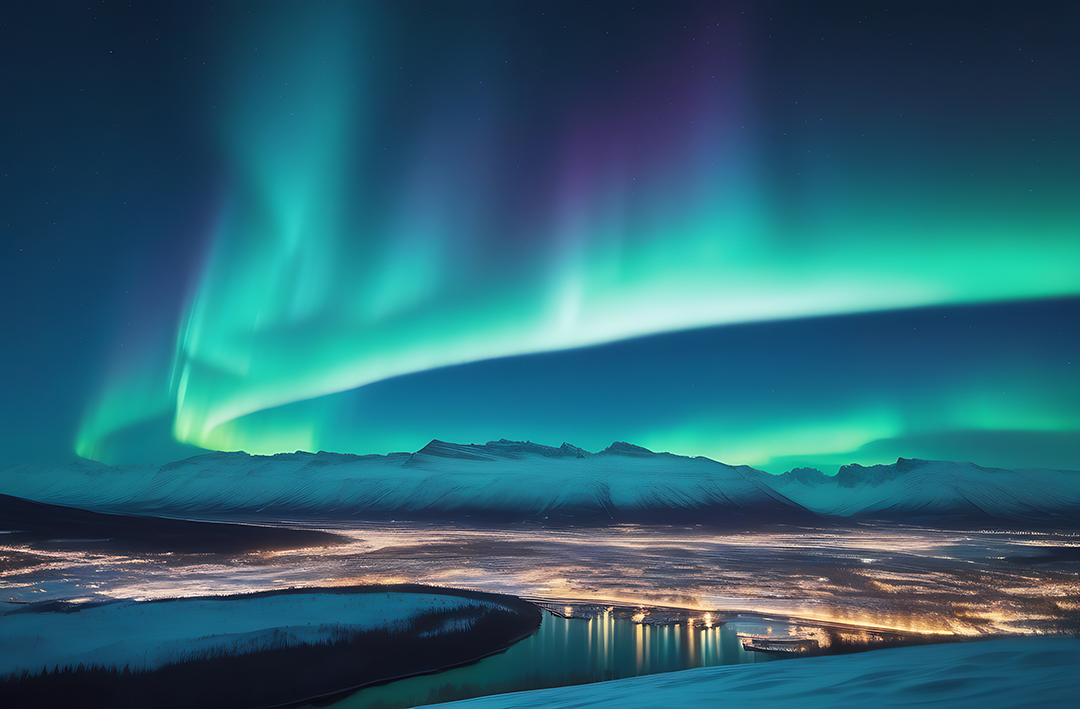
In winter, the days are short and the conditions are more challenging, but it's also the best time to see the Northern Lights, one of Iceland's greatest natural attractions. Spring and autumn are less busy, with fewer tourists and often lower prices, but the weather is usually less predictable. The time of year you visit has a big impact on what you'll be able to see and what your trip will be like.
Iceland is one of the more expensive destinations in Europe, so it's worth planning your trip around your budget. Accommodation is usually the biggest expense, and the country's wide network of hostels is a good way to save money. Car rental and food can also take many visitors by surprise if they haven't planned ahead. Restaurants can be very expensive, so many travellers eat out occasionally and buy the rest of their food from supermarkets such as Bónus and Krónan, where you can pick up basic groceries and ready-made meals.
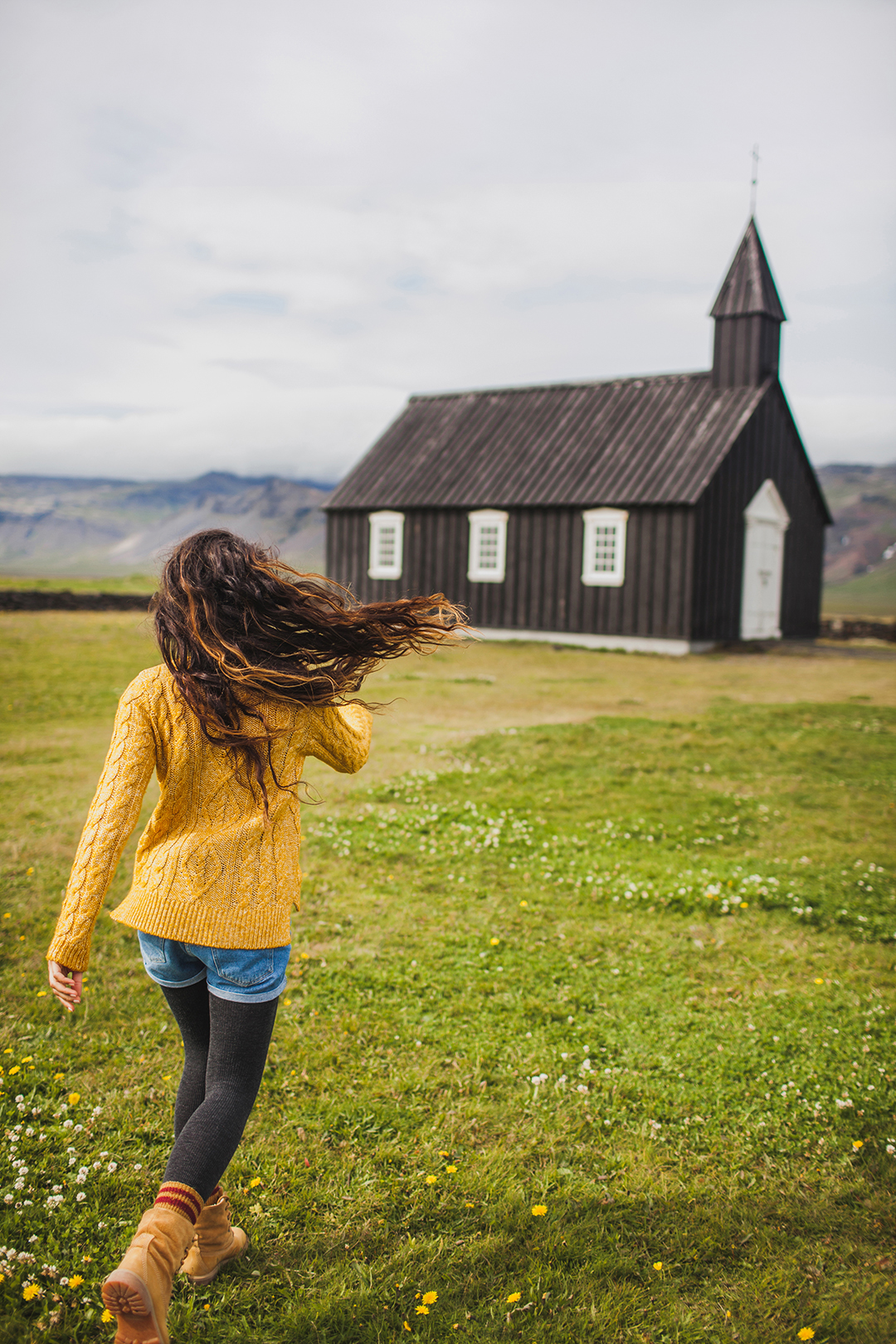
Traditional Icelandic food is based on fish, lamb, and dairy products, while hot dogs are one of the country's most popular and affordable fast-food options. Camping is very popular during the summer and can help keep costs down, but you'll need the right equipment and a flexible travel plan. Although Iceland is still an expensive destination, you can keep your costs under control with a bit of careful planning.
Iceland has much more to offer than its main tourist routes, especially if you have a bit more time and want to explore some of its less visited regions. The Westfjords are one of Iceland's most remote and least visited regions, with dramatic cliffs, tiny villages, and very little tourist infrastructure. It's the perfect place if you're looking to get away from it all.
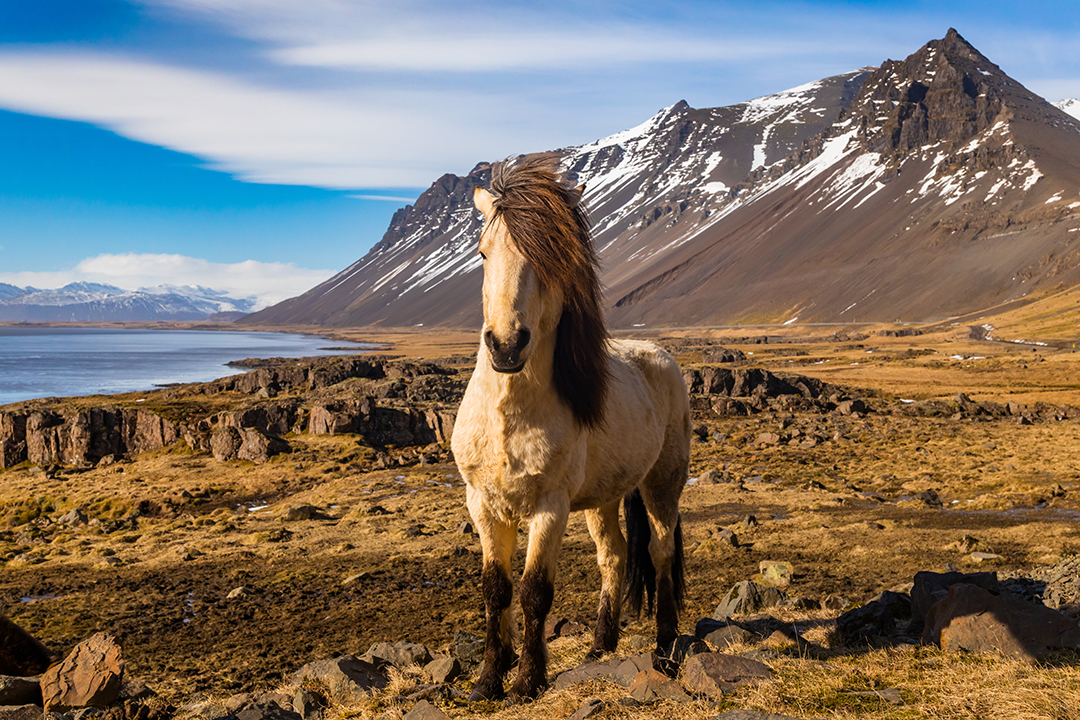
In the north, the area around Lake Mývatn is home to impressive geothermal landscapes that are far less crowded than those along the Golden Circle. Meanwhile, eastern Iceland is quieter, with fewer visitors and plenty of space to explore. These parts of Iceland take a little more time and a flexible itinerary, but they often offer the country's most authentic experiences.
Iceland takes more planning than most destinations in Europe, but the reward is an incredibly diverse landscape and a travel experience shaped by nature, the weather, and your ability to adapt. What makes Iceland so special isn't just its individual sights, but the whole journey, from driving through vast open landscapes to adapting to the conditions and discovering places that many travellers never reach.
Iceland isn't a destination to rush through. It's a place to explore at your own pace, and one of the most unique travel experiences you'll find anywhere in Europe. If you'd like to learn more about what it's really like to travel around Iceland, our journalist and volunteer, Veronika Bastl, has written a series of articles documenting her life there.

Copyright (©) 2010 - 2026 Youth Hostel | Our Privacy Policy | Cookies | | RPC