Japan is a country that I had wanted to visit for many years. Even though I travelled alone many times in the past, I put this off for years, because I did not have the courage to go there by myself. Then, in December 2024, I finally booked a return flight to Tokyo and in March, I left for a three-week trip to Japan.
This is a question I was asked by almost everyone who listened to my stories. The reason for travelling to Japan was far from just one in my case. I am a huge fan of Studio Ghibli films, which are known for their unique animation, deep stories, and music. If you think you have never heard of these kinds of films, you will surely know titles like My Neighbour Totoro or Spirited Away, which was the first to win the Oscar for Best Animated Feature in 2003.
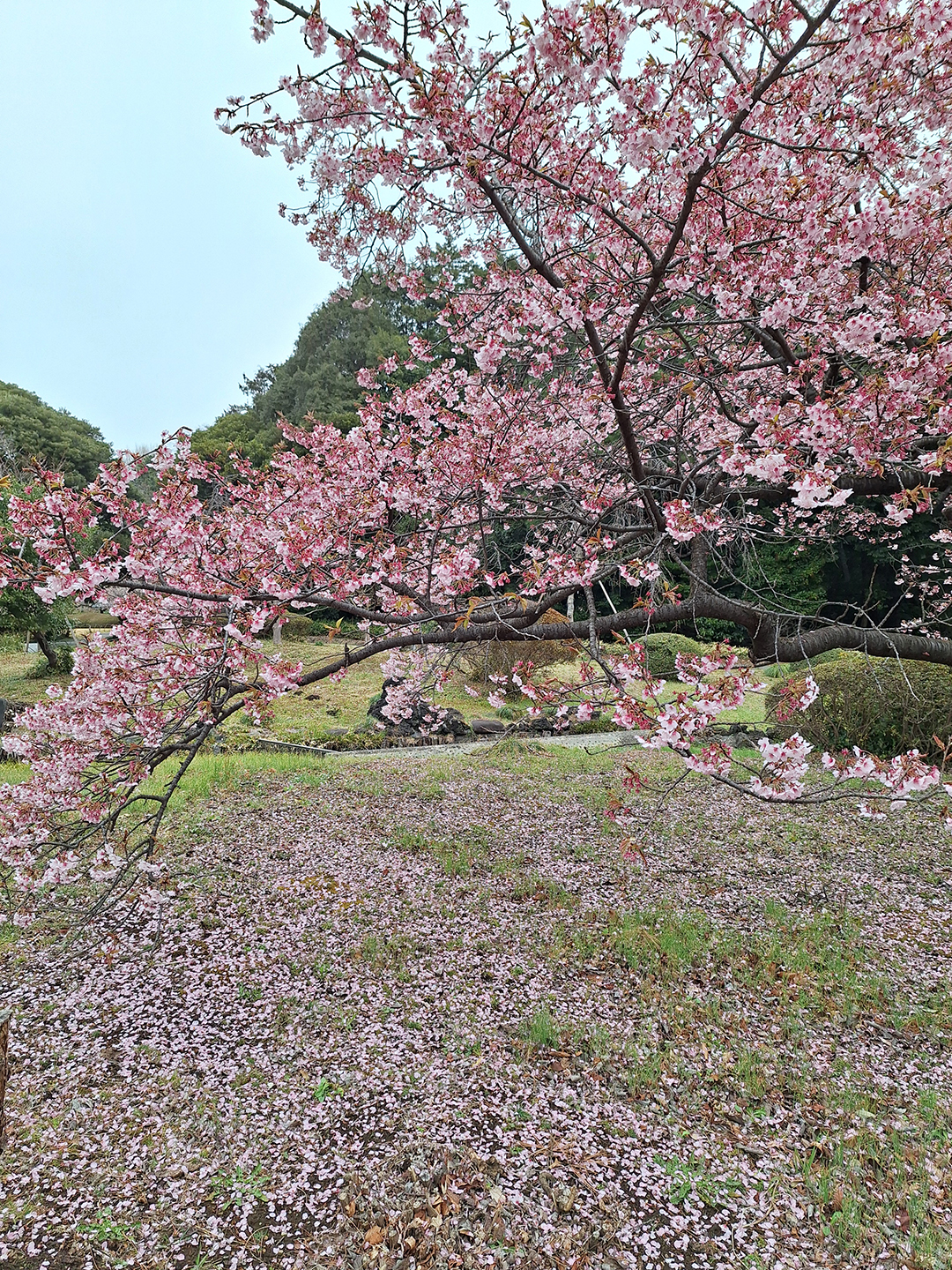
Another reason for visiting Japan was their cherry blossoms, known as Sakura, which means cherry flower and symbolises the start of spring in Japan. Cherry trees are in full bloom for only a short time, which each year depends on the weather conditions. When cherry blossoms bloom, it is the most popular time to visit Japan, so I decided to travel for three weeks in March and catch two seasons: snow in central Japan and the start of the cherry blossom bloom in the major cities at the end of the trip. Due to the high demand from tourists, it is also most expensive to travel during this time. It is harder to find cheap accommodation, tickets for attractions, and a seat on the popular high-speed trains.
Tokyo was my first and last travel destination of the trip. The capital of Japan, with 32 million people, is so huge that you could spend your entire trip there. For the first few days, I was met with gloomy, cold weather and rain, while back in Slovenia people were enjoying the sun in short sleeves. Fortunately, I had booked a bed in a capsule hotel, which also had its own onsen. These are Japanese hot springs where you can relax after a long day by soaking in hot water. Bathing is usually separated by gender, except in private areas, and unlike our European types of spas, people bathe without swimsuits. There are also certain rules of behaviour that need to be followed. Fortunately, these bathhouses usually have illustrated instructions for tourists that explain how to behave properly in an onsen, even if you do not speak Japanese.
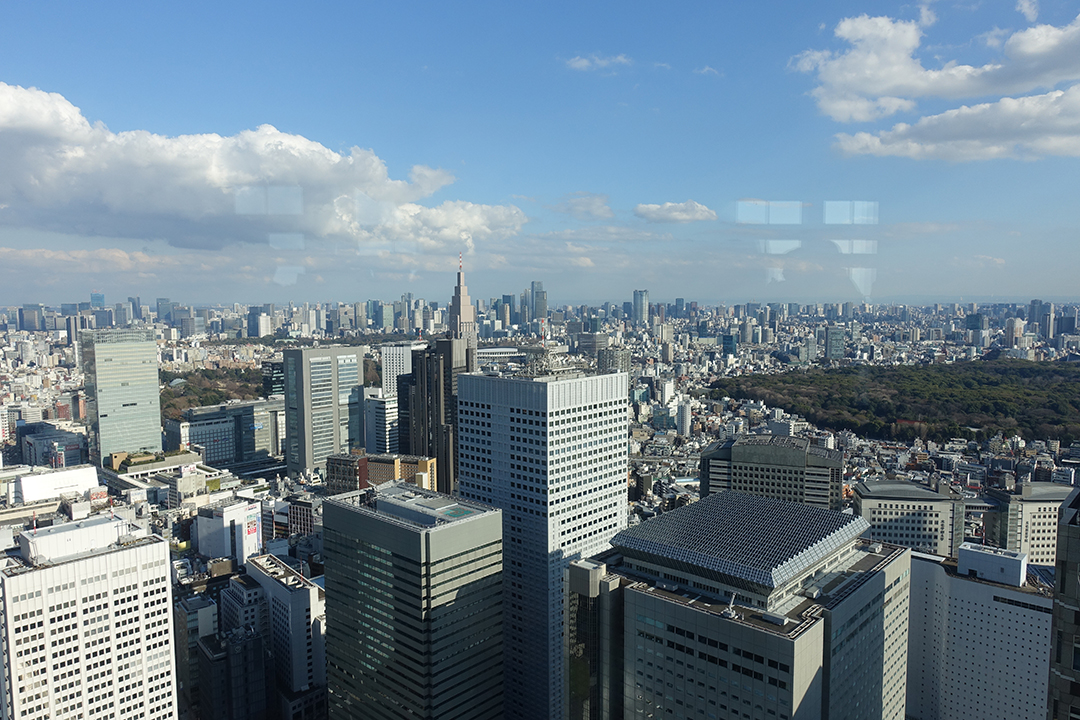
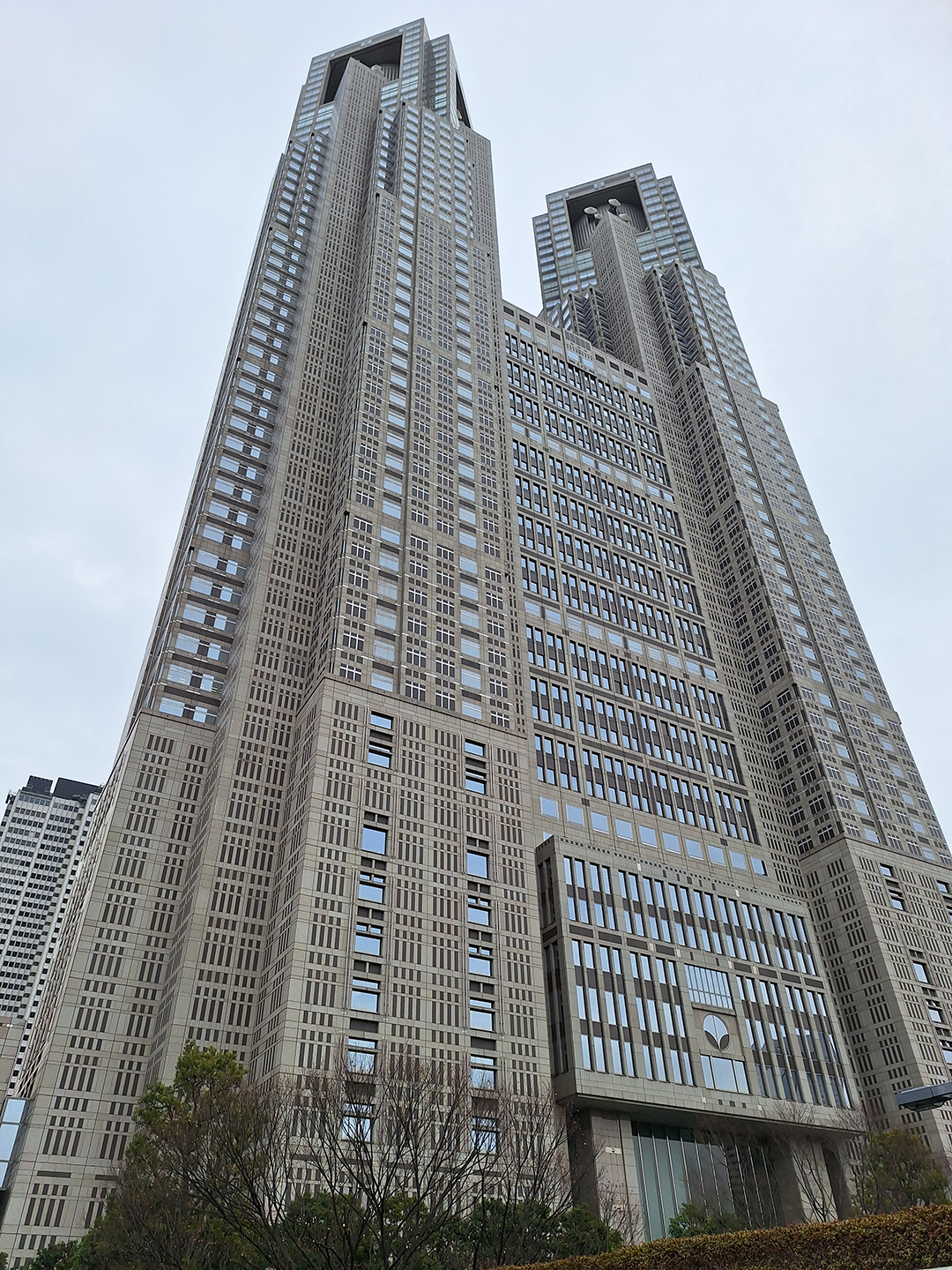
In Tokyo, there are countless attractions and many tall buildings that offer views over the city. I chose the Metropolitan Government Building in Shinjuku, which was the tallest building in Tokyo until 2007. Unlike many others, it offers free entry to an observation deck at a height of 202 metres, and on a clear day you can even see Mount Fuji. Unfortunately, the tower is closed on certain days of the month, so during my first visit I could not go up to the observation deck. On the ground floor there is a tourist information centre where volunteers organise free tours of the building and take visitors to the areas that are open to the public. My first visit to the tower turned out to be a good idea, as I was able to explore different parts of the building with a volunteer, including the conference room and a small exhibition. I visited the building again at the end of my trip, when I finally had the chance to enjoy the view over cloudy Tokyo.
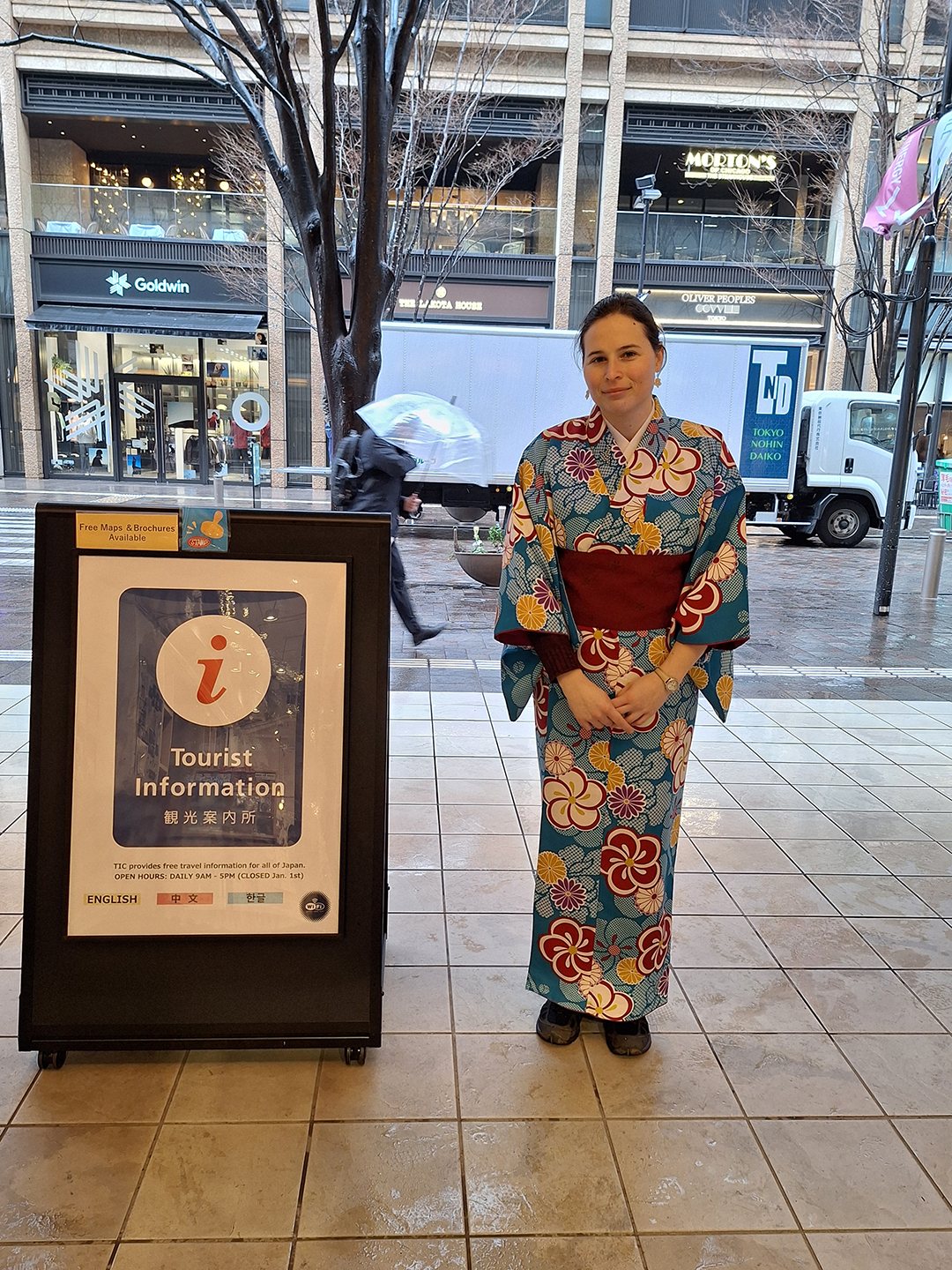
Before my trip, I received a good piece of advice from a friend to get in touch with the Tokyo Free Guide organisation. It is a volunteer organisation where you can request a guide who is a volunteer. Based on your preferences and availability, the organisation assigns a guide who spends the entire day with you. I spent my third day in Japan in the company of a retired lady, Shirabe-san. Mrs. Shirabe and I had a truly productive day; together we visited many different corners of Tokyo. Among them, the place that stayed in my memory the most was the largest tourist centre near Tokyo Station, where you can try on a kimono for free.
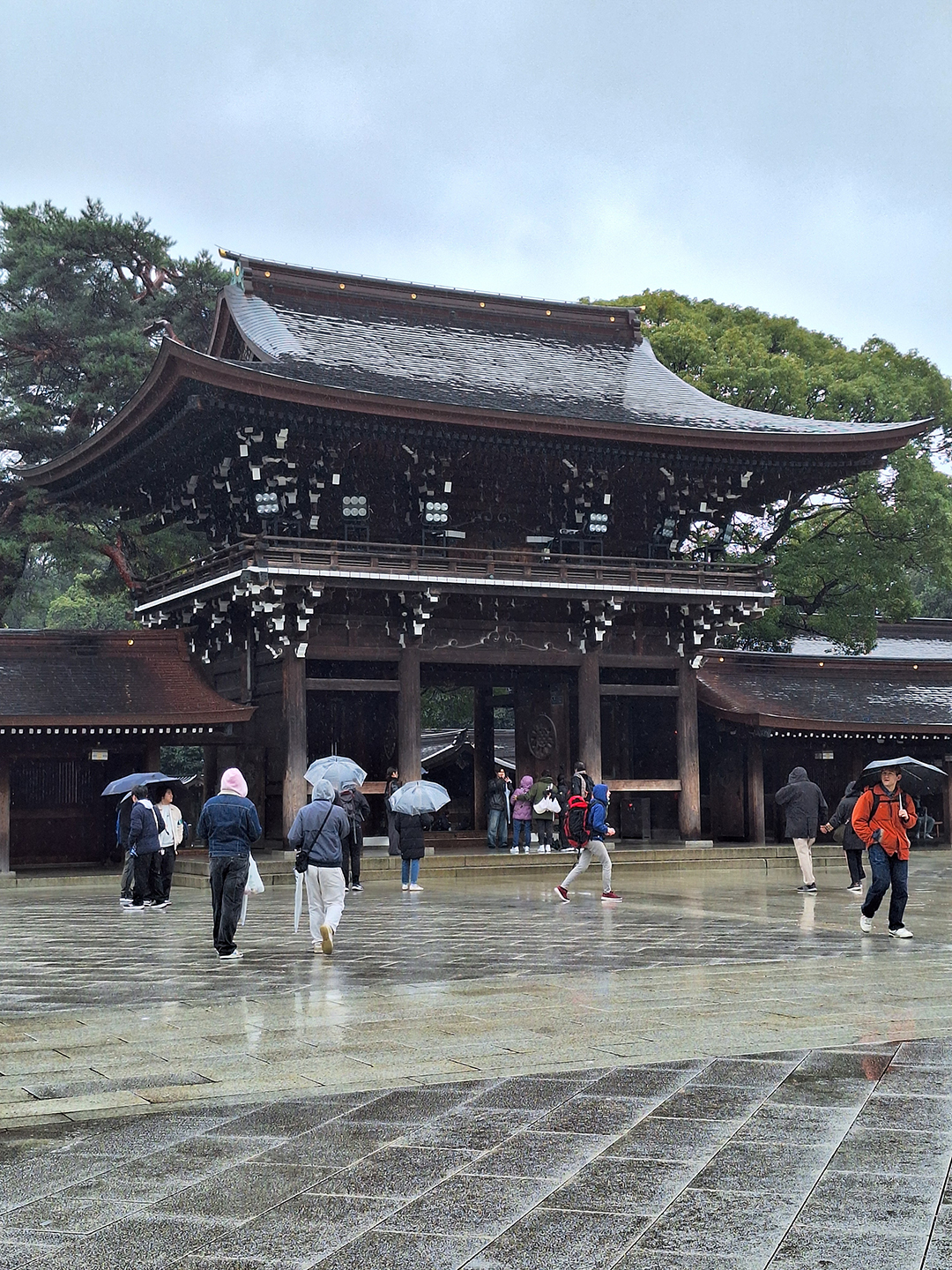
Together we also visited the largest Shinto temple in Tokyo; Meiji Jingu Shrine. The temple is in the heart of Tokyo, and you would not even feel like you are in the middle of Japan's largest city, as it is in the middle of a forest. Shintoism is closely connected to nature, which is why temples are often built near or within forests. She showed me the proper way to behave in such shrines, told me a lot about their customs, and taught me some basic useful phrases. In return, I told her about our customs and life in Slovenia, as she had not visited our country yet.
Of course, nowadays all information is available on the internet, but it is completely different when you can talk to someone from a different culture. I would recommend this kind of experience to travellers who want a slightly different experience on their trip and wish to make a genuine connection with someone from another country.

Copyright (©) 2010 - 2026 Youth Hostel | Our Privacy Policy | Cookies | | RPC